If artificial intelligence is capable of tricking adults and a wide range of other users, imagine how it’s impacting younger children. That information was discussed during a recent study done by the PEW Research Center and it revealed surprising details regarding children under the age of two and the impact on their brains from watching YouTube. With so many AI-generated videos being created and posted on YouTube and other social media platforms, such as TikTok, Instagram and X it’s caused a mixture of confusion, surprise and apparently some potentially long-lasting effects.
What Is ‘AI Slop?’ Identifying the Content Taking Over YouTube
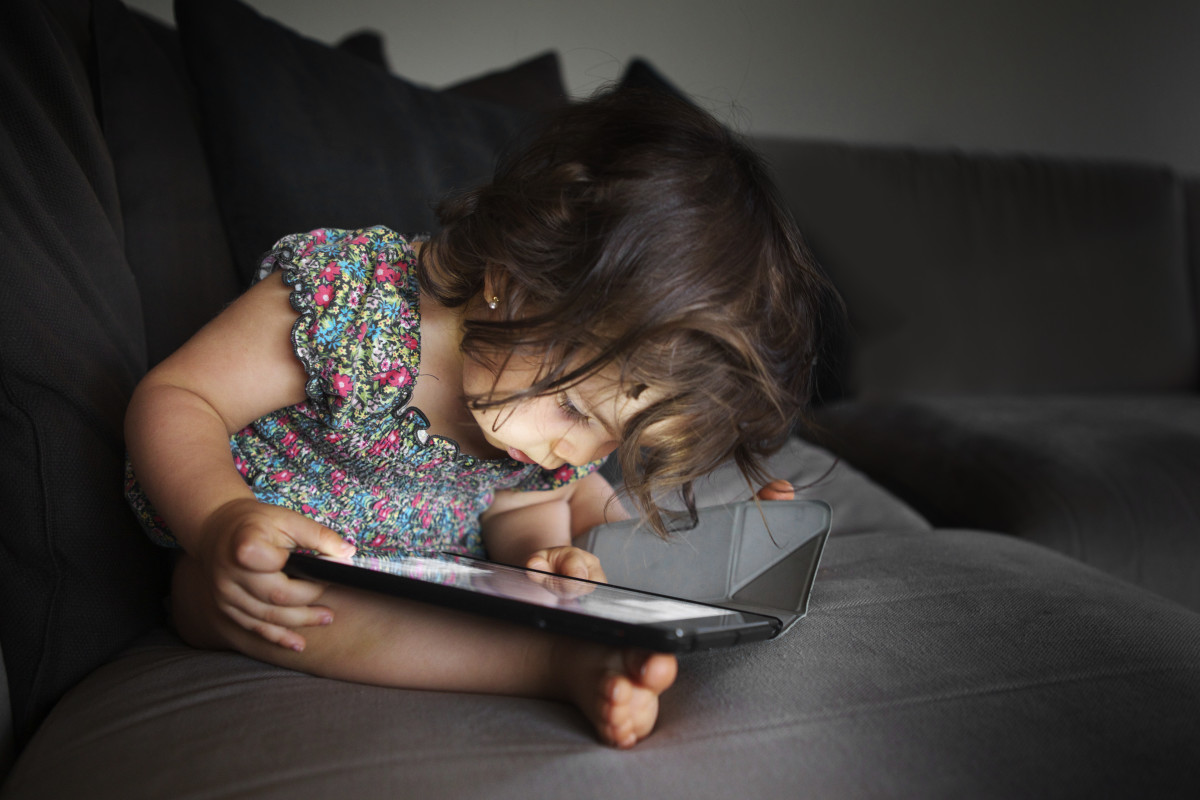
Not only can it be tough to identify what’s AI-generated and what’s not in the video landscape, but the recent study also showed that more children under the age of two are watching YouTube than ever before. It’s worth noting that it specifically highlighted YouTube, not the other social media websites mentioned above.
The information from the PEW Research Center highlights that 62 percent of parents in that age group say their kids are watching YouTube. For children ages 2-4, that number jumps to 84 percent. Surprisingly, the 62 percent of children under the age of two who watch YouTube is reportedly up significantly from 45 percent in 2020.
While the study shows that not all children in that age bracket watch YouTube daily, 35 percent do use the app every day, as parents highlighted in their responses.
Here’s a look at the percentage of children in each age bracket whose parents say they watch YouTube videos, according to the PEW Research Center:
- Under 2: 62 percent (35 percent daily)
- 2-4 years old: 84 percent (51 percent daily)
- 5-12 years old: 89 percent (54 percent daily)
This has led to some significant pushback and concern from people. Specifically, one early childhood educator sounded off on the trend and its impact on children under the age of two during an interview with Bloomberg.
How Synthetic Media Impacts Development
As Bloomberg highlights, The American Academy of Pediatrics recommends that the use of media (such as television, YouTube, etc.) should be “very limited” for children under the age of two.
Following up on the study, one educator spoke about the impacts of the AI-generated “slop” found on platforms, and how it could ultimately have a significant impact on children as they grow up and how they view the world.
“When their brains are first being wired, they’re getting an understanding of what’s the truth and what’s not,” says Rachel Franz, an early-childhood educator and program director at Fairplay. “If what’s being wired into their brains is a bunch of AI slop, it’s going to impact their understanding of the world.”
The study’s details and additional follow-up comments were so eye-opening that YouTube spokesperson Nicole Bell even released a statement in response, as Dexerto highlighted. The response highlighted that the algorithm pushing “low-quality content” is not YouTube’s business strategy.
“Mass-producing low-quality content is not a viable business strategy on YouTube, as our systems and monetization policies are designed to penalize this type of spam,” she wrote.
Regardless, while screen time for young children is high, it’s increasingly important to ensure that the often-wild AI-generated videos don’t end up in the algorithms of parents’ YouTube accounts. That’s far easier said than done; just scrolling through YouTube Shorts myself, I’ve come across random AI videos that aren’t related to anything I’ve watched before.
Related: 50 Cent Addresses Securing Unreleased Footage for Diddy Netflix Documentary