Most EV talk is about range and charging. Take one into the dirt, though, and a different spec sheet suddenly matters: ground clearance, underbody armor, traction modes, and how the battery handles abuse. Adventure EVs are here—but only a few are built for real trails, not just muddy parking lots.
How to Read an Adventure EV Spec Sheet
Start with the basics: drivetrain, ground clearance, and protection. Off-road coaches still point to the same must-haves—real all-wheel drive, at least 8–9 inches of clearance, skid plates around vulnerable parts, and some form of locking or simulated locking differentials. Off-road buyers’ guides from sites like Outside and Car and Driver keep repeating that formula for a reason: it works.
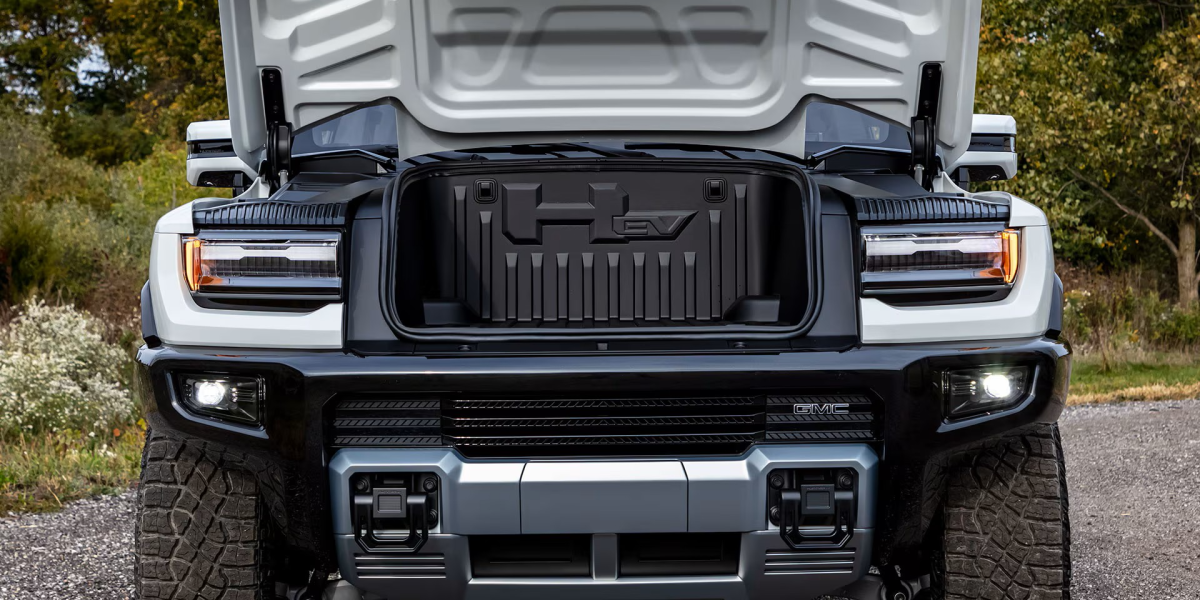
Then look at what the brands brag about. When GMC talks about the Hummer EV SUV, it leads with underbody armor, full-length skid plates, rock sliders, and an Extreme Off-Road Package that adds underbody cameras and beefier hardware. That’s the EV version of turning the belly of the truck into a steel sled. Volvo’s EX30 Cross Country goes lighter-duty—extra ground clearance, skid plates, and chunky tires—for muddy tracks and winter roads instead of rock crawling, but it’s built around the same idea: protect the floor and control traction, or stay on pavement.
Range still matters, but trail days don’t look like highway runs. Low-speed crawling, recovery pulls, and winch use can drain a pack quicker than gentle commuting. That’s why off-road-focused EVs bundle terrain modes, crawl functions, hill-descent control, and thermal management into one “trail brain.” You tell the truck “rock,” “sand,” or “mud,” and it adjusts throttle response, brake-based torque vectoring, and sometimes ride height so you can focus on line choice instead of fighting the pedal.
When you compare rigs, ignore gimmicks and check four numbers or features:
- Minimum ground clearance in off-road mode
- Approach and departure angles
- How much of the underbody is actually armored
- Whether there’s a genuine low-speed, high-control mode (or “one-pedal” off-road setting)
If a manufacturer hides those stats or only talks about 0–60 times and TikTok lighting tricks, that’s your clue.
My Verdict
If you want an EV that belongs on real trails, shop like a backcountry guide, not a fanboy. Prioritize clearance, armor, dual-motor traction, and honest off-road modes over light bars and launch-control clips. Match those specs to your actual trips—fire roads, sand, snow, or rocks—and you’ll end up with an adventure EV that feels like a tool you trust, not a very expensive science experiment.