A new Netflix doc about Sean “Diddy” Combs dropped this week, and while everyone’s wondering how 50 Cent got his hands on the unseen footage, it turns out it all came down to one “cheap” mistake Diddy himself made.
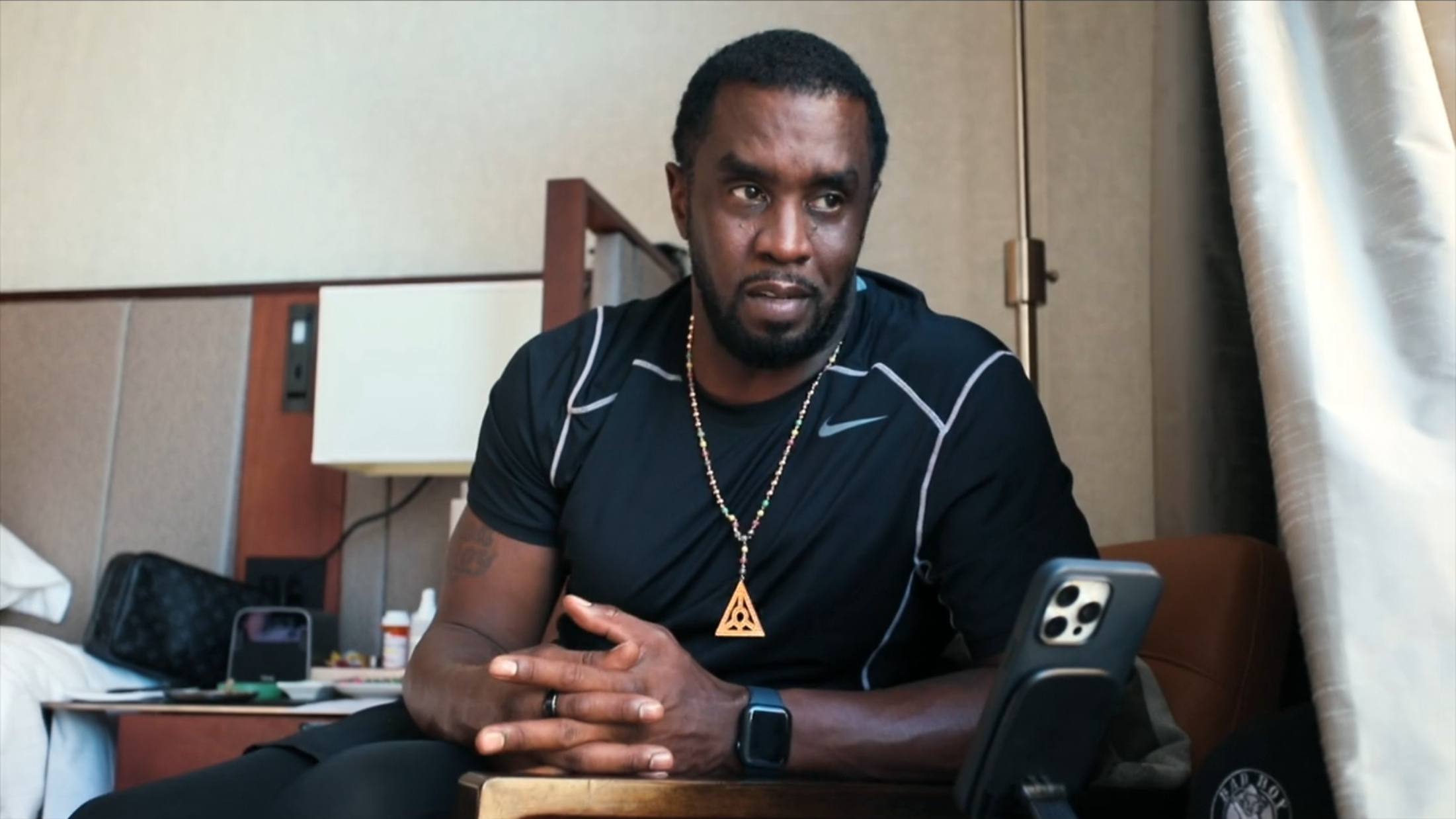
If you’ve watched even a few minutes of Sean Combs: The Reckoning, you’ll know exactly the clips everyone is talking about: Diddy pacing around Harlem greeting fans, complaining about needing hand sanitiser, or arguing with his legal team just days before his arrest. It’s the kind of behind-the-scenes footage you’d assume would be locked away forever.
Yet somehow, it ended up in a documentary produced by a man he’s been publicly feuding with for years.
So… how did that happen?
It turns out Diddy made a massive paperwork mistake
via Netflix
According to journalist Rob Shuter, who wrote about the situation on his Substack, the key mistake happened years ago.
Shuter claimed that he had been around Diddy “back in the day” and was “shocked at how sloppy he was when it came to paperwork.” He wrote that Diddy “always had photographers and video crews trailing him, everywhere, all the time, but because he was cheap, he refused to do formal contracts.”
Instead, Shuter said, Diddy “just expected loyalty. He expected silence.”
He alleged that one videographer who filmed parts of Diddy’s now-infamous archive was never paid and never given a contract.
With no paperwork binding the footage to Diddy, Shuter argued it left the cameraman free to do whatever he wanted with it, including selling it on when the allegations against Diddy emerged.
As he put it, “When you go to jail and suddenly someone is offering the cameraman money for footage? Honey, that’s not betrayal, that’s a business opportunity. And it is absolutely Diddy’s own fault.”
The footage wasn’t ‘stolen’, it was sold
via Netflix
Diddy’s reps have repeatedly insisted that the videos were “stolen” and formed part of his private project, but Netflix and the documentary’s team have pushed back.
Director Alex Stapleton said the footage “came to us,” adding that Netflix obtained it legally and has “the necessary rights.” She also explained that the team protected the identity of the filmmaker who handed it over, suggesting the videographer didn’t exactly want Diddy to know who sold him out.
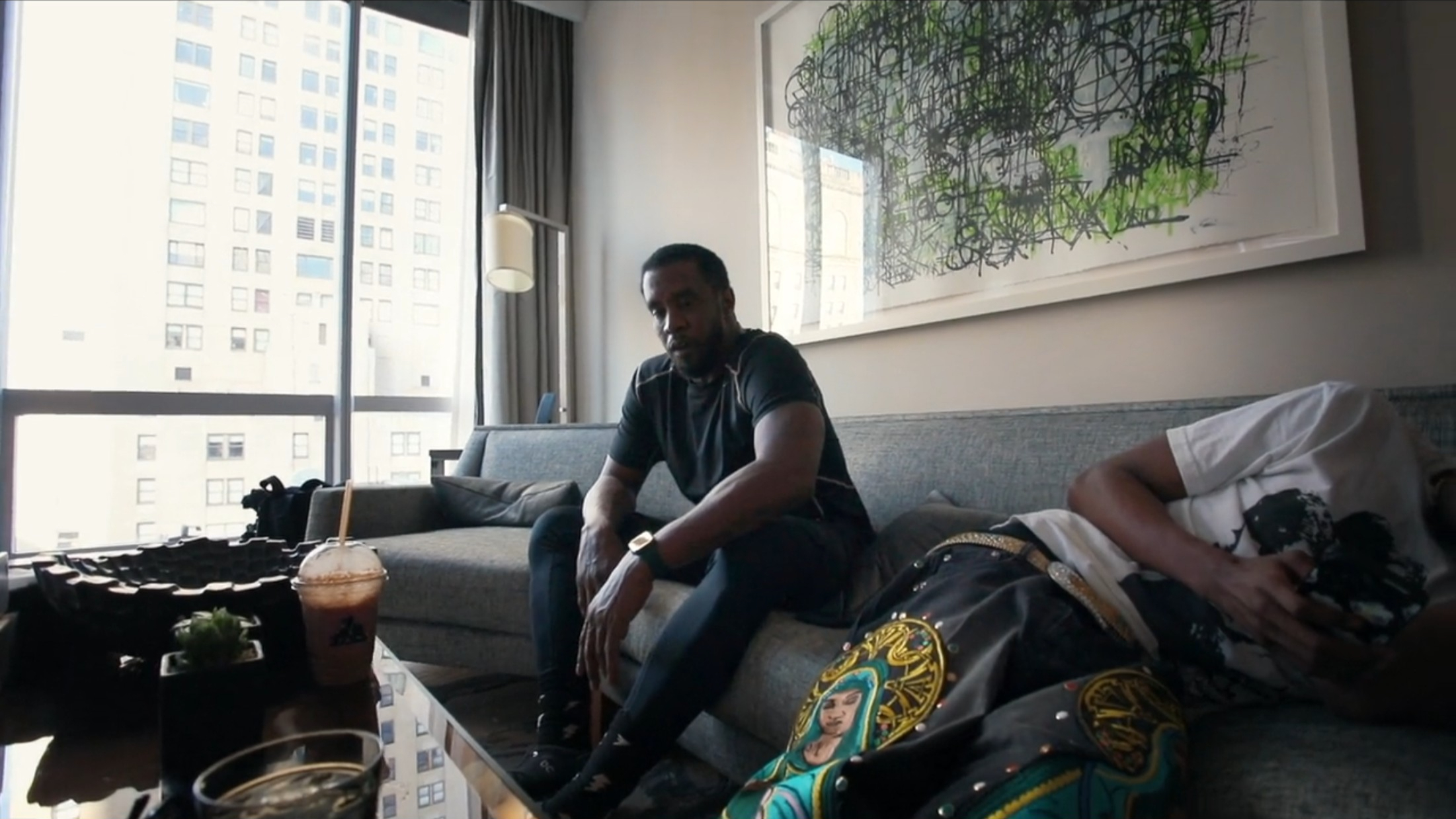
Stapleton added that “Sean Combs is always filming himself” meaning there was a huge amount of material circulating among videographers he’d worked with.
But because there were never proper agreements in place, the archive wasn’t nearly as locked down as Diddy thought. And once he was behind bars, the balance of power shifted.
As 50 Cent put it himself, Diddy was basically “documenting himself on his way to jail.”
For more like this, like The Tab on Facebook.