Two researchers from the University of Leeds are striving to achieve an accessible, efficient, and affordable future within IVF fertility treatment.
Dr Virginia Pensabene and Professor Helen Picton of the University have developed a microfluidic device, which enhances the number and quality of embryos within the IVF treatment cycle.
For context, as of 2025, only 25-30 per cent of women aged 35 or under have a success rate with IVF. This is one in six of those who undergo treatment.
The average cost for one cycle of treatment for a UK patient is £5000, making the figures of success a burning mark within this process. As a result, the treatment is currently inaccessible for many women across the United Kingdom.
Dr Pensabene and Professor Picton’s company, IVFmicro have been awarded a £3.5m investment by the company Northern Gritstone with support from Innovate UK Investor Partnerships. This investment will be used to place the work of the two women into its verification phase, leading to trials on human embryos within fertility clinics.
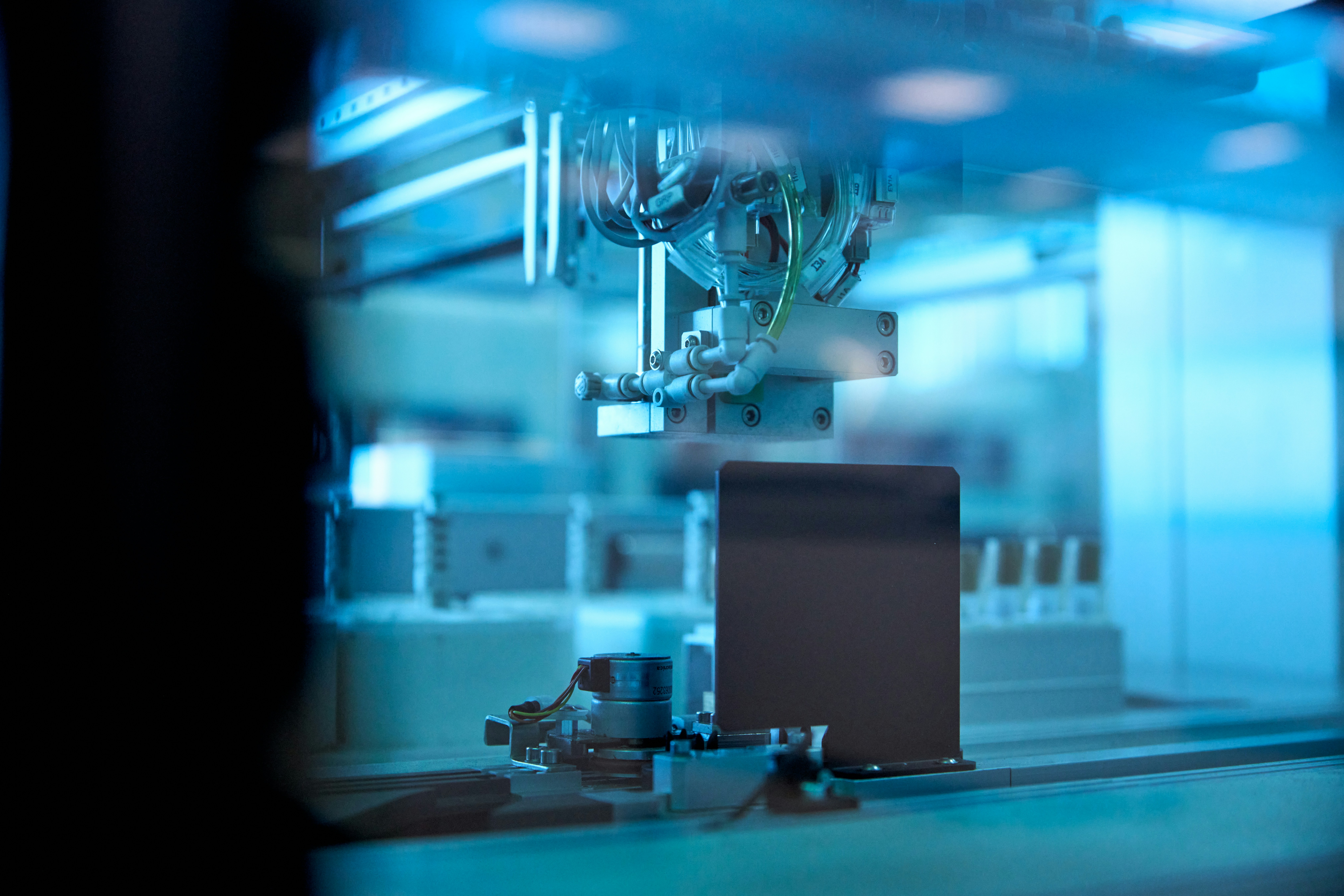
IVFmicros utilises a precisely engineered microfluidic device to ensure the safe management of embryo culture and small amounts of rich nutrient fluid. This provides a 10-15 per cent improvement in the chances of successful embryo planting.
via Unsplash
Professor Picton is the Scientific Director of IVFmicro and a non-clinical expert in reproductive female biology and embryology within the University of Leeds School of Medicine.
She said: “My career has focused on understanding the reproductive biology of eggs and embryos, how they develop and, crucially, why things sometimes go wrong.
“At IVFmicro, we are harnessing years of research into reproductive biology to create a practical, accessible solution that can improve outcomes for patients undergoing fertility treatment.
“Our goal is to make IVF more effective, more predictable, and ultimately more hopeful for those striving to start a family”.
Dr Pensabene, CEO of IVFmicro, is an Associate Professor at Leeds, who has published scientific advancements in microfluidics.
Speaking about her career, Dr Pensabene said: “As a biomedical engineer, I began exploring the potential of this technology in 2017, when Helen and I first met at the University of Leeds.
“From the start, our goal was to translate our research into a real solution for patients. Thanks to the combination of grant funding and Northern Gritstone’s support — both through investment and its innovation programmes — we have been able to grow our team in Leeds and take a major step toward bringing this precision-engineered IVF solution to market”.
Duncan Johnson, CEO of Northern Gritstone, explained: “IVFMicro is a brilliant example of the world-class innovation emerging from the Northern Arc’s universities, combining scientific excellence with a clear commercial vision to tackle the societal challenge of infertility”.
Professor Nick Plant, Pro-Vice-Chancellor: Research and Innovation at the University of Leeds, said: “The hard work and expertise of the IVFmicro team will change the lives of those experiencing infertility.
“This well-deserved investment is further evidence of the outstanding talent that exists within our highly innovative research community.
“We are proud to support Helen and Virginia in harnessing and commercialising their research and look forward to working with them as they embark on their next chapter”.
For more of the latest news, guides, gossip and memes, follow The Leeds Tab on Instagram, TikTok, and Facebook.
Featured image via Unsplash