Men’s Journal aims to feature only the best products and services. If you buy something via one of our links, we may earn a commission.
Staying hydrated on a hike is critically important. Not only is water a life-saver but it keeps your energy going all day long. I recently tested out the Pingora Impulse Hydration Pack on two long winter hikes and discovered this versatile pack is a smart accessory—which is saying something for an avid hiker like me. I’ve tested many Osprey and Mission Workshop hydration packs over the years, putting them to the test on my outdoor excursions, but this product from the lesser-known Pingora brand made me rethink my top picks.
What It Is
Courtesy Image
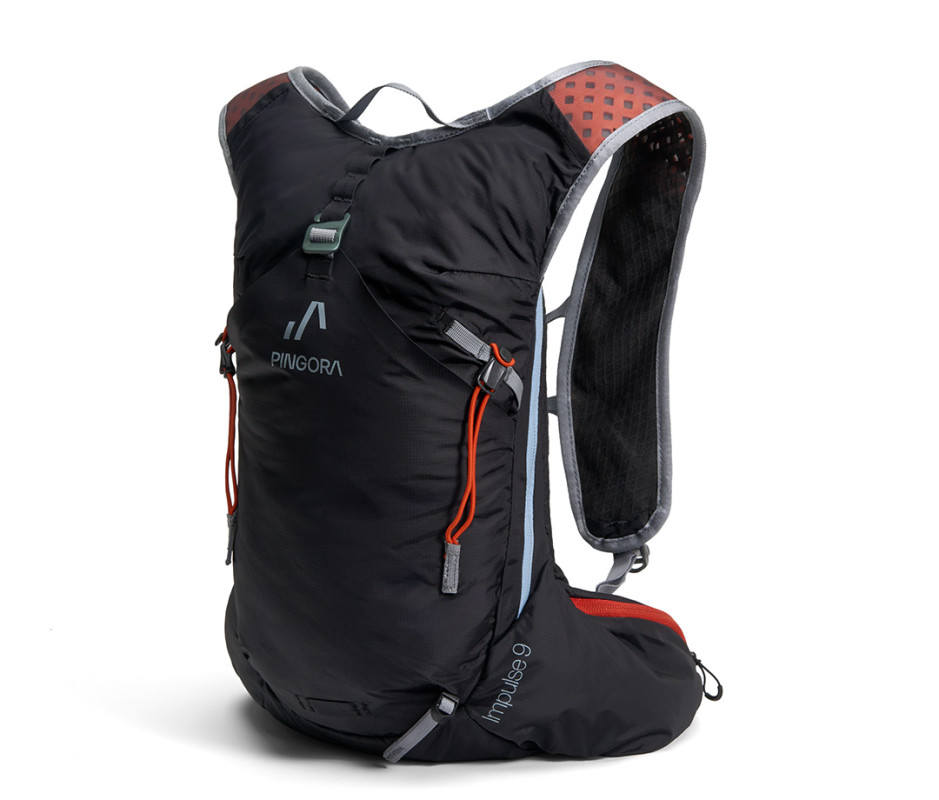
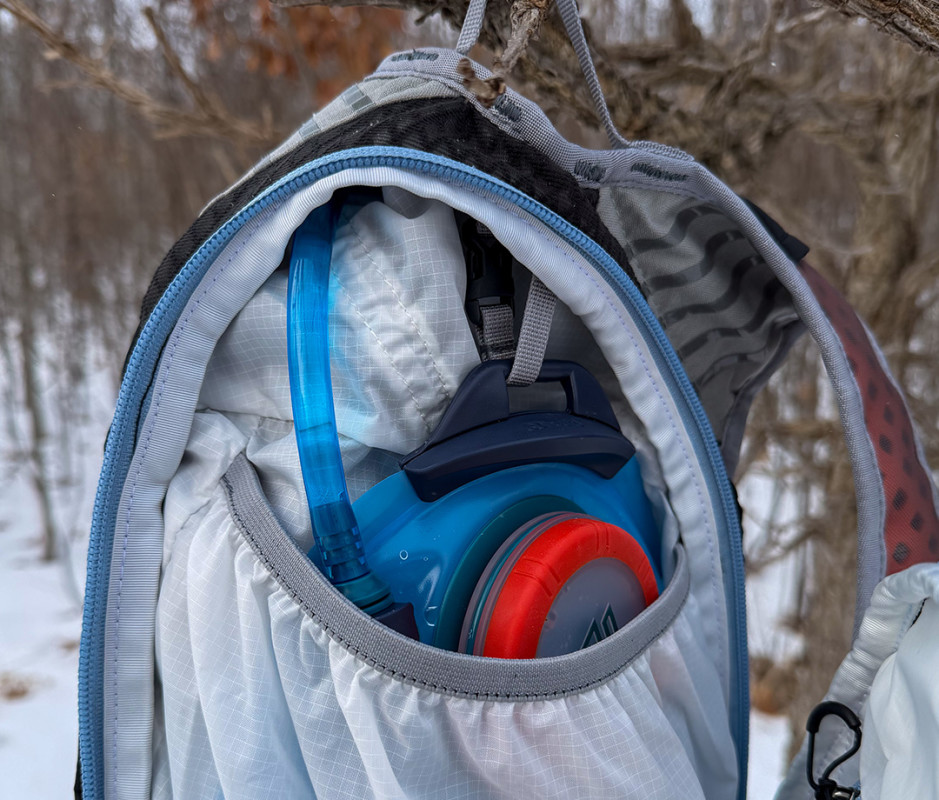
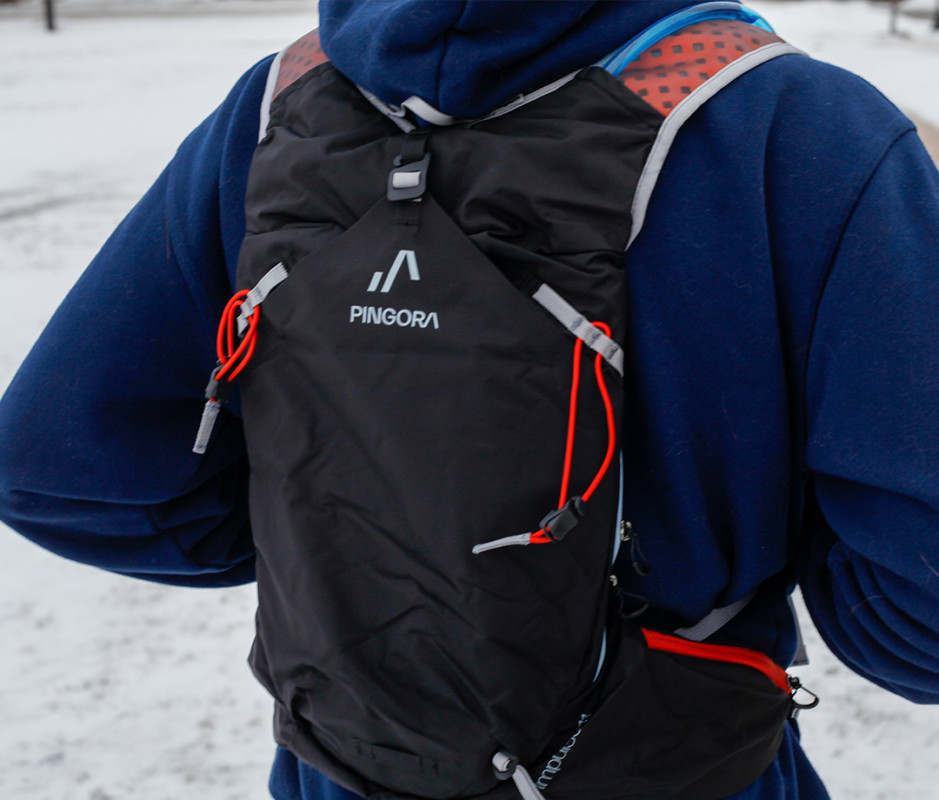
The Pingora Impulse pack has two interior zippered pockets, a large interior pouch for the refillable hydration bag, two small zippered pouches on the straps, and one large exterior pouch for holding a rain jacket, water bottles, or retractable hiking poles. The bag weighs 16 ounces by itself and 22.5 ounces with the hydration pack—about the same as other models I’ve tested. The large exterior pouch has an adjustable latch you can use as a tie-down. Pingora doesn’t make hydration packs (also known as bladders or reservoirs) so I tested a Gregory 3D Hydro 2L Reservoir that costs about $50 and holds two liters of water.
Pingora Impulse Hydration Pack Overall Impressions
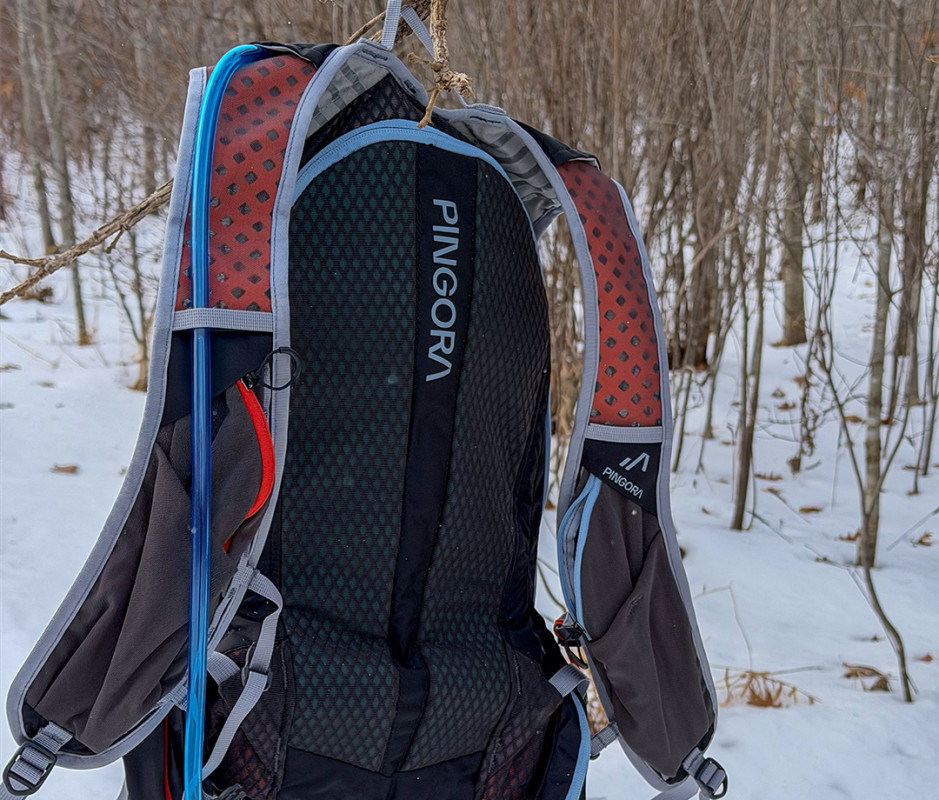
I put the hydration pack inside the Pingora Impulse bag and ran the hose up through a small hole that runs through the strap. I was ready to explore the wild frontier. Right away, I could tell the Pingora Impulse is well-designed. The pack suits my approach to hiking, which is: keep moving. The main benefit is you don’t have to stop, open the bag, take out a water bottle, and hydrate.
John Brandon
The Pingora Impulse (at $140) is not for school kids, though—it’s a serious adventure bag that stays secure, doesn’t flop around and has a ton of storage options. My overall impression is that the bag is super light and versatile. Yet, I had to decide if I was ready to part ways with Osprey and their reliable hydration packs I’ve used for many years.
Key Features
The cofounder Mike May told me, since I’m a bigger guy at 6-foot-2, I should test the larger 11-liter model that fits a longer torso, but there’s also a 9-liter version. The nylon material is mostly recycled from “off-cuts” (e.g. extra pieces from other products). You can drop in a hydration pack to suit your needs for a hike—such as a 2-liter or a 3-liter.
John Brandon
On my first five-mile hike on a winter trail, I secured the bag with a chest strap and a second waist compression strap. The waist strap has two handles you can use to “compress” the pack tight to your body. Customer reviews mentioned how the pack is nicely “weighted” for mountain biking and hikes, and I agree. On a longer hike that was closer to seven miles, I took some more challenging trails and made ample use of the hose for sipping water. Thankfully, the hose stays (mostly) concealed in the strap and doesn’t dangle like an extra appendage.
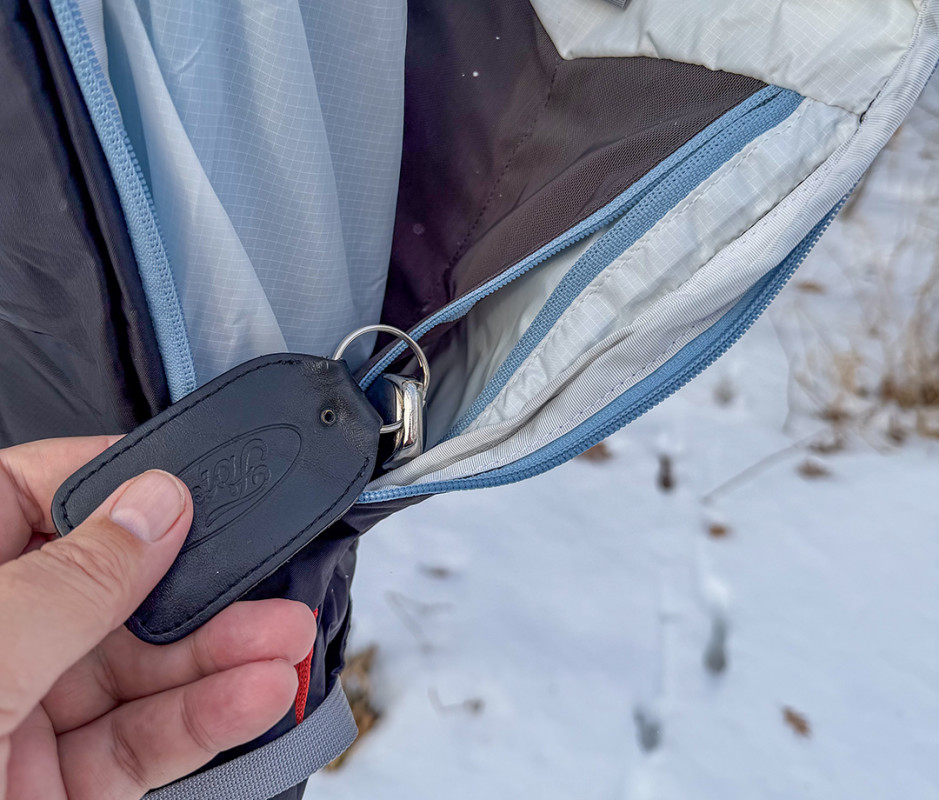
During my two long hikes when the bag was fully secured on my back, I could reach down left or right to a zippered pouch and grab my car keys. For casual use without the chest strap, I liked how the bag can rotate 270 degrees when you wear it over one shoulder—e.g., flipping the entire bag around to access the compartments. I even like the color, called Outerspace—it’s all black flanked by checkered orange on the straps (also available in green, blue or red).
John Brandon
The large exterior pouch was a godsend on my hikes. You don’t always want zippered pouches on the trail because they are harder to open on the move. The exterior pouch meant I could drop in some ski gloves and then grab them as needed behind my back. The main compartment that holds the hydration bag and more gear has a zipper that’s a little hard to open with one hand. (Mike May, the cofounder, told me they have not heard that feedback.) The Impulse bag is not fully waterproof, so if you hike in rain or snow your items might get wet. I found the pouches on the straps were not quite big enough to hold my Apple iPhone 17 Pro.
Pros
- Nicely weighted and secure on your back
- Rotates on one shoulder for pouch access
- Hose mostly stays secure in the shoulder strap
Cons
- Main zippered pouch hard to open with one hand
- Not fully waterproof
Final Verdict
I’ve used many hiking packs like the fully waterproof Mission Workshop Control that lets you attach water bottle pouches to the side rails and the Gregory Arrio that also supports a hydration pack. It’s a competitive market. Osprey and CamelBak make some great hydration packs. I like the Pingora Impulse because it’s an upstart challenger.
John Brandon
The bag is light and versatile and matches my adventurous spirit with quick access pouches and a (mostly) concealed hose. At $140, it’s a bit more expensive than some Osprey hydration models. I won’t abandon Mission Workshop or Osprey just yet, but I’ll use the Pingora Impulse on my next hike. That’s saying a lot. If you need the pouches, flexibility, quick access, and prefer a secure hose, this is your bag.
Why You Should Trust Me
My outdoor adventures have led to some curious predicaments. I once camped and hiked for a week on a deserted island (and wrote part of a book by myself). I’ve hiked in the North Shore of Minnesota but also in the Austrian Alps several times. Once, on a European hike, I lost my bearings and depended a little too much on a hydration pack. I like to challenge myself. I’ve tested well over a dozen hiking packs including hydration models on bikes, while cross-country skiing, and for long winter hikes that bring out the worst in even the best storage products.