This weekend, a huge winter storm is set to affect more than 230 million people across the United States, particularly in the South, Midwest, Great Lakes, Great Plains, and Appalachian Mountain regions. According to The Weather Channel, heavy snow or ice is forecasted for 33 states, with some expected to get nearly three feet of snow. Strong winds and well-below freezing temperatures make this storm especially dangerous.
While winter storms can be scary, there are ways you can prep your home and vehicle to make riding out the weather much safer. Here are five ways you can prepare for this incoming weather to keep you and your loved ones safe.
Pack a Safety Kit for Your Car
Ideally, when winter weather hits, you’re staying put and avoiding travel at all costs. Still, it’s possible to get stuck in storms you didn’t expect, or have an emergency that requires you to drive. To make driving in winter conditions safer, it’s smart to equip your car with winter tires that can grip snow and ice (and make sure they’re not too old to do their job). Beyond that, having an emergency kit in your car could save your life if you end up stranded on the side of the road. This is what the Canadian Automobile Association recommends keeping in your car at all times:
- Flashlight (preferably crank-type, because batteries don’t last long in extreme cold)
- Reflective safety triangles or flares
- Small first-aid kit
- Snow brush and scraper
- Traction aids
- Small shovel with long handle
- Bag of abrasive material: sand, kitty litter (avoid road salt, which can cause your vehicle to rust)
- Plenty of windshield washer fluid
- Jumper cables (here’s a refresher on jumping a dead car battery)
- Gas-line antifreeze
- Lock de-icer (In extreme cold, keep it with you, rather than in your vehicle! You can learn how to make your own here.)
- Paper towels
- Small tool kit (screwdriver, pliers, etc.)
- Extra fuses (for the vehicle’s electrical system)
- Warm blanket
- Extra socks, boots, and gloves
- Hand and foot warmers
- Bottles of water
- Granola bars
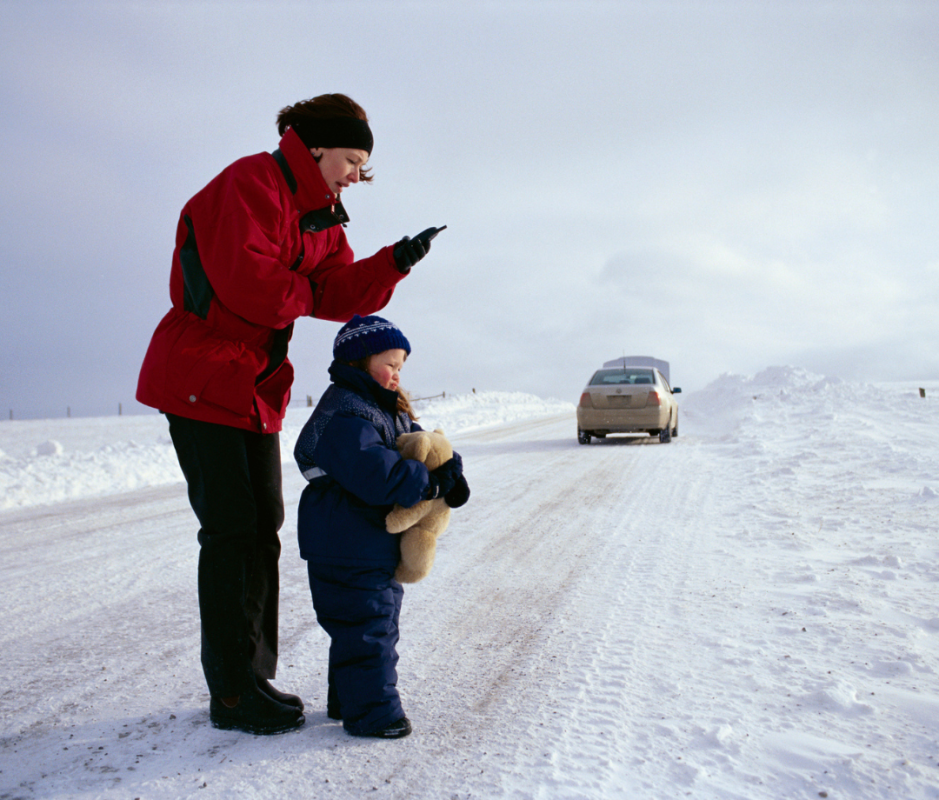
Getty Images
Prep Your Home for Heavy Snow and Ice—and Make a Plan for Removal
These tasks can protect your home from winter weather damage, and help you stay warmer as you wait out the storm.
- Apply weather stripping and draft blockers around windows and doors.
- Winterize outdoor faucets and apply hose bibb insulators to avoid burst pipes.
- Invest in a good shovel or gas-powered snow blower (and stock up on gas).
- Buy a roof rake to remove snow from your home and prevent roof collapse, leaks, and gutter ice dams.
- Apply ice melt to sidewalks, driveways, and steps before the snow starts to fall. This prevents build-up and makes accumulation easier to clear later on.
- Keep indoor faucets going at a slow drip to avoid freezing pipes.
Have an Alternate Heating Source
Make sure you can heat your home without power.
- Purchase a battery-powered space heater (and ample batteries).
- If you have a fireplace, make sure you have wood chopped and readily available, along with fire starters.
- Check smoke detectors and ensure they have good batteries.
Related: Single-Stage vs Two-Stage Snow Blowers: Which One Should You Buy?
Build an Emergency Kit for Your Home
In severe winter weather, you may be snowed in at your home and lose power. Having an emergency kit prepared can help you ride out the weather when you can’t get to stores for additional supplies. This is what the American Red Cross recommends keeping in your home emergency kit:
- Enough food, water, and medicine for every person and pet in your home to ride out the storm’s duration. Plan to have at least one gallon of drinking water per person per day. It’s also a good idea to have a one-month supply of needed medications and medical supplies. Consider keeping a list of your medications and dosages on a small card to carry with you.
- Enough warm clothing, such as hats, mittens, and blankets, for everyone in your household.
- Critical backup batteries and chargers for your devices (cell phone, CPAP, wheelchair, etc.)
- First-aid kit
- Battery-powered radio
- Personal, financial, and medical records you may need to quickly access (hard copies or securely backed up versions).
- Snow shovel
- Ice-melting products
It can also be helpful to organize supplies into a Go-Kit and a Stay-at-Home Kit, per the American Red Cross. Your Stay-at-Home Kit should have at least two weeks of supplies. Your Go-Kit should have at least three days of supplies you can carry with you if you need to go somewhere else to stay warm.
Related: How to Remove Ice From Concrete Without Salt
Know Where Your Local Warming Centers Are
If you dial 211, you can find local warming shelters across the US. These places are typically public libraries and community centers that offer shelter in the event your home is too cold. It’s also smart to make plans with friends and neighbors in case you can’t travel far and need a warmer place to stay.