As an intense winter storm is slamming America with heavy snow, thick ice, and sub-zero temperatures, everyone needs to protect themselves from the very real dangers. However, those extreme conditions are especially hazardous for vulnerable groups.
For the caregivers of older adults, seeing forecasts of winter storms can be scary as they may wonder how to best keep their loved ones safe. Thankfully, Men’s Journal has interviewed an executive with a national medical alert company. They have provided insights about the winter dangers facing older adults and practical tips for loved ones to help protect them.
Andrew Droney is the Senior Director at ADT Health. He has been with the company since 2008 and has 18 years of experience in the security and health monitoring industry. Droney has taken on many roles with the company, which have helped him to become an expert in how to help keep older adults safe.
Why Extreme Cold Creates Hidden Dangers for Older Adults
Men’s Journal: Why do extreme cold and icy conditions make things much more dangerous for older adults?
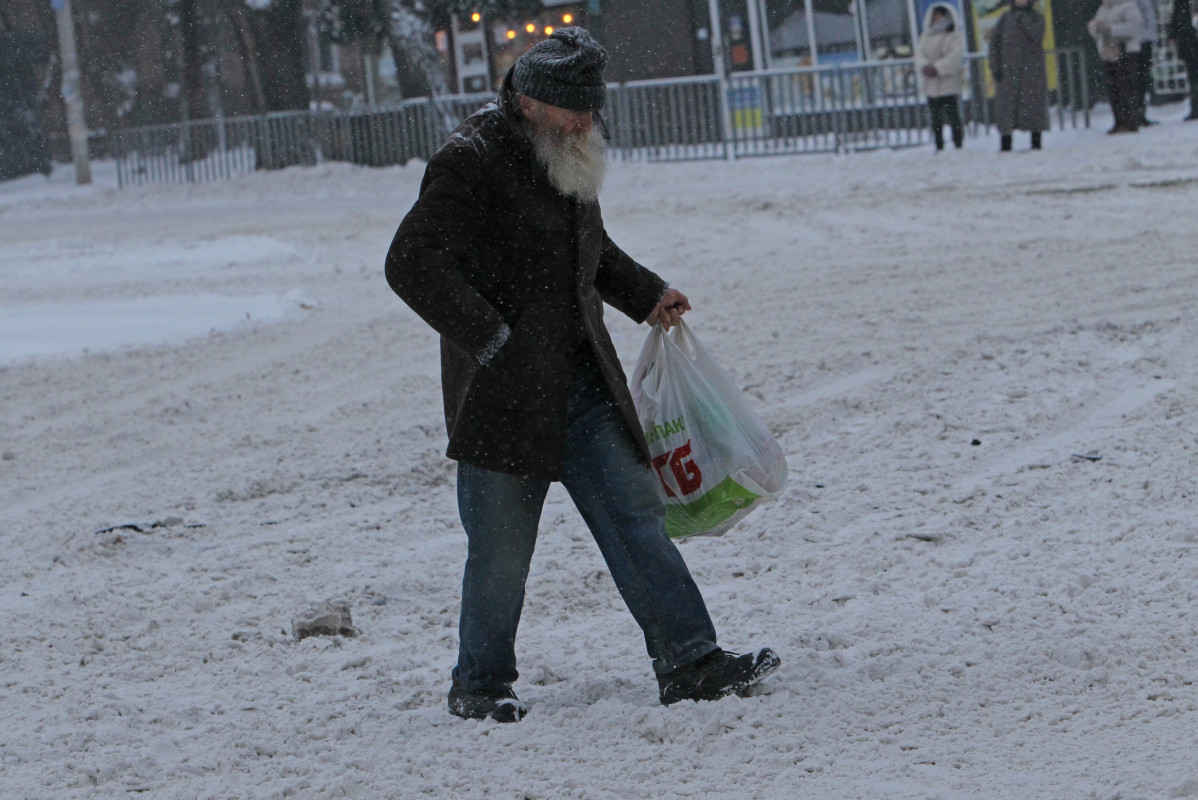
Andrew Droney: Falls are the most obvious risk, since icy sidewalks, steps, and driveways significantly increase the chance of slipping. But extreme cold also creates other dangers, especially if a heating system fails. Some older adults may not immediately recognize that there’s a problem and may try to compensate by adding layers of clothing instead of realizing the home temperature is unsafe.
Many in-home medical alert systems now include high- and low-temperature sensors that can trigger an alert if conditions reach unsafe levels. When that happens, a monitoring center can check in with the individual and notify designated emergency contacts if needed, helping ensure the situation is addressed quickly.
Men’s Journal: Can you quantify how much more likely older adults are to suffer injuries or worse during severe weather?
Andrew Droney: While there isn’t an exact number that quantifies how much risk increases specifically during severe weather, the underlying vulnerability is well documented. Falls are already the leading cause of injury-related death among adults ages 65 and older. Severe weather can further amplify these risks by increasing fall hazards and creating dangerous situations when help is harder to reach.
Simple Safety Steps to Help Protect Older Adults
Men’s Journal: What is the most important thing caregivers and loved ones can do to protect older adults from the dangers of cold weather?
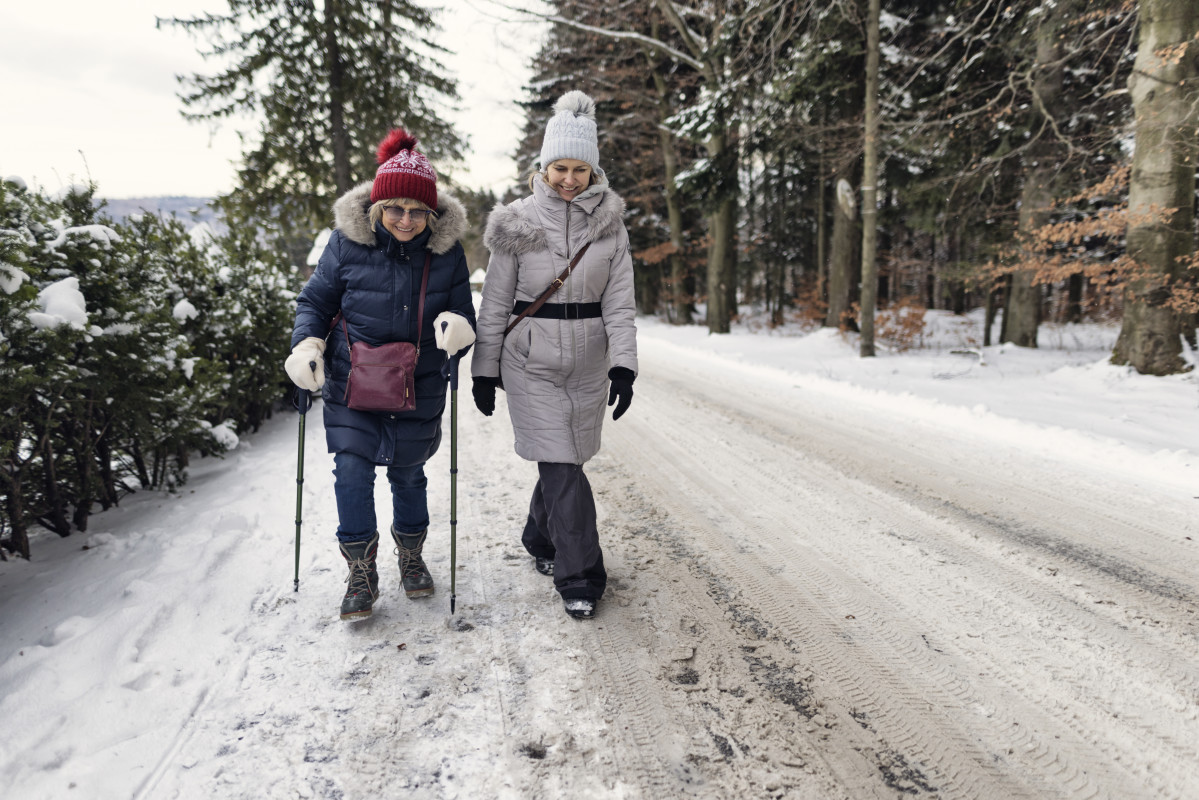
Andrew Droney: Staying connected is one of the most important and effective steps. Regular phone calls or visits can help reduce isolation and provide an opportunity to check that everything is working properly in the home, including heat, power, and safety features. If an older adult does need to go out during winter weather, encouraging appropriate clothing, proper footwear, and going with a companion can help reduce risk.
When frequent in-person check-ins aren’t possible, medical alert devices can provide another layer of protection. Both in-home and mobile options can help ensure older adults have access to help if something goes wrong.
Men’s Journal: What other tips would you give caregivers and loved ones on simple steps they can take to keep older adults safe during severe weather while respecting their autonomy?
Andrew Droney: Pay attention to subtle changes that may signal increased risk, such as changes in balance or gait. Reducing tripping hazards in the home can also make a meaningful difference, such as securing or removing loose area rugs, addressing uneven flooring transitions, and keeping pathways clear of clutter are all simple steps that support safety without limiting independence.
Men’s Journal: What can caregivers and loved ones do to help older adults once severe weather conditions have arrived?
Andrew Droney: Once severe weather sets in, more frequent check-ins can help ensure that basic needs are being met and that there are no emerging issues with heat, power, or health. It can also be helpful to plan ahead for emergencies by sharing a spare key with a trusted neighbor or using a lockbox so that help can access the home quickly if needed.
How Technology Can Help Families Stay Connected During Winter Storms

Men’s Journal: How can technology help older adults and their caregivers weather major storms?
Andrew Droney: Many modern medical alert systems use cellular connectivity and include battery backups, so they continue to function even during power outages. Some devices can also notify users or caregivers if the power goes out or if the device battery is running low, allowing issues to be addressed before they become emergencies.
Beyond medical alert systems, smart devices that support video calls make it easier for families to check in face-to-face when travel isn’t safe or practical.
Men’s Journal: How has modern technology helped connected safety tools evolve to meet the realities of modern caregiving?
Andrew Droney: Every caregiving situation is different, which is why many families use a combination of devices to create a safer environment for their older loved ones. In my case, my parents use a doorbell camera and an indoor camera that allow me to check in visually without disrupting their routine. I can see when they come and go, and if I ever need to speak through the camera, I reserve that for true emergencies to respect their privacy.
We also rely on regular video calls to stay socially connected, and they use a medical alert device with fall detection to ensure there’s always a way to get help if something goes wrong. We’ve enabled voice control for their lights through smart speakers and installed motion-activated lighting in hallways and bathrooms so they don’t have to fumble for switches in the middle of the night.
There isn’t a single, all-in-one solution that covers everything, but many of today’s technologies work well together. When thoughtfully combined, they can help families support safety while still preserving independence.