With its rich, timeless beauty, there’s little wonder why stainless steel is the most popular finish for kitchen appliances and sinks. But while stainless steel appliances can certainly enhance the look of any kitchen, this finish requires frequent care to keep them looking shiny and pristine. Stainless steel is notorious for showing fingerprints. And, despite its name, it can become gunked up with grease and build-up from cooking, much like your oven’s door and glass top stove.
Fortunately, cleaning stainless steel is fairly simple, whether you use commercial products or natural, homemade cleaners. Ahead we cover how to clean stainless steel with help from Ryan Knoll, owner of Phoenix-based home cleaning service Tidy Casa.
Why Stainless Steel Gets Dirty (and What Causes Streaks)
Stainless steel appliances are in the highest traffic area of the home, so they’re susceptible to all manner of grime. And it doesn’t take much to mark them up. Oily hands, splattering cooking oils, splashes of water, and splatters from cooking can all leave stainless steel looking less than pristine.
The smooth reflective polished finish that makes stainless steel so beautiful also makes it more susceptible to smudges. Imperfections are simply more visible on this bright shiny surface, whether its grease spots, fingerprints, or hard water stains.
What You Need Before Cleaning Stainless Steel Appliances
Knoll suggests using a mix of dish soap and warm water as a homemade natural stainless steel cleaner but he says commercial products are the way to go for a professional looking finish. Weiman’s Stainless Steel Cleaner is best for removing smudges, according to Knoll. “Bar Keepers Friend Soft Cleaner is AWESOME for tougher buildup, but use sparingly,” he says. Other safe cleaners for stainless steel include mild dish soap, vinegar, and rubbing alcohol.
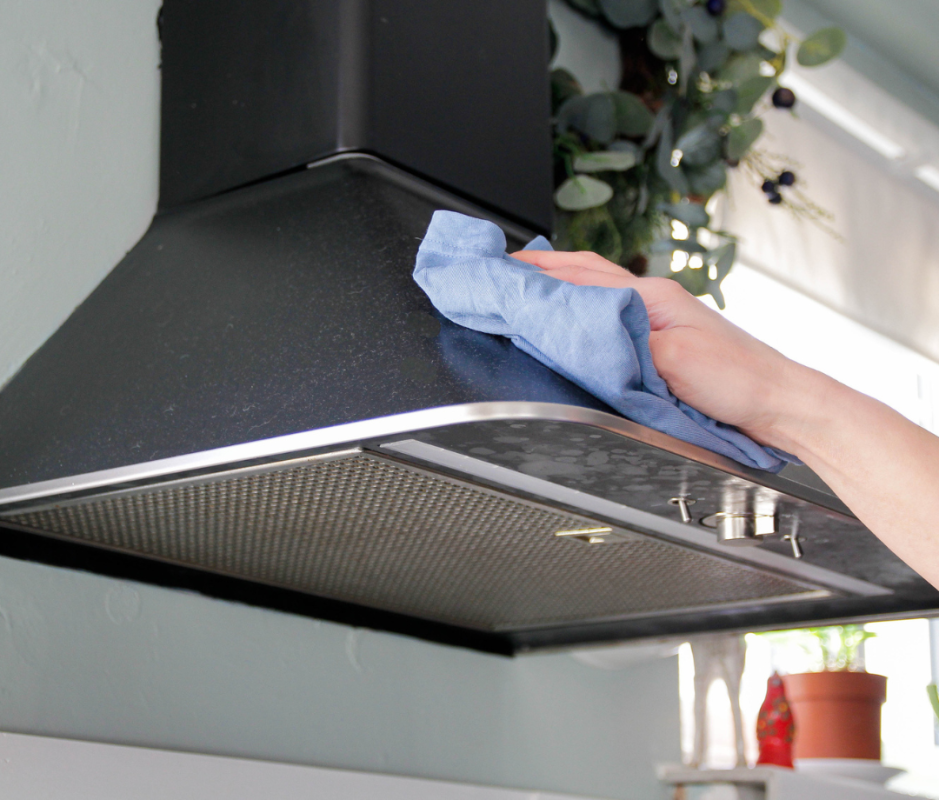
You’ll also want to have the right tools, including microfiber cloths, soft sponges, and non-abrasive pads. “Microfibers are the go-to for most cleaning projects,” Knoll says. “They’re soft, don’t scratch, and trap oil and dust better than paper or other rags.”
Getty Images
How to Clean Stainless Steel Appliances
Quick Daily Clean: Warm Water + Microfiber
The best way to clean stainless steel is to keep dirty fingerprints from building up on it over time. Simply soak a microfiber cloth in warm water, squeeze out the excess water, and wipe the stainless steel down once daily to keep it looking shiny and new.
Deep Clean: Soap Solution for Heavy Grime
For truly grimy stainless steel, you’ll need to take more drastic measures to get it clean again. Create a paste that consists of baking soda and a few drops of dish soap. This mix works on two fronts. The dish soap cuts through grease and the baking soda is mildly abrasive, so it scrubs off grime without scratching the stainless steel. Apply the paste with a sponge and scrub gently to remove grime.
How to Remove Fingerprints Without Smearing
Fingerprints are the number one complaint when it comes to keeping stainless steel appliances clean. Knoll says the key to removing fingerprints is to use an oil-based commercially available cleaner. “The oil fills in the little groves which gives that glossy clean look,” he says.
How to Follow the Grain for Streak-Free Cleaning
Follow the grain whenever cleaning stainless steel. Wiping in the direction of the grain removes fingerprints more easily from the grooves of the metal. Doing so also prevents streaks and scratches that can occur while you’re cleaning.
Related: Think Your Shower Grout Is Ruined? These Cleaning Hacks Bust Through Mildew Stains Fast
What to Avoid When Cleaning Stainless Steel
- Scrubbing pads: Steel wool and scrubbing pads are off-limits as Knoll says they’ll leave permanent marks.
- Chlorine bleach: Don’t reach for that bottle of bleach. Bleach can damage the protective layer on stainless steel, making it vulnerable to corrosion and discoloration by breaking down the steel’s rust-resistant layer.
- Abrasive cleaners: Avoid using abrasive cleaners, such as scouring powders, on stainless steel. Like chlorine bleach, abrasive cleaners can break down that protective layer, allowing for corrosion and discoloration. “Stainless steel is sensitive and doesn’t need a lot to keep it clean,” Knoll says. “It’s more about protecting the shiny look with gentle cleaners and oil-based products.”
How to Polish Stainless Steel for a Like-New Shine
Cleaning will get the grime off your stainless steel, but to really bring out its beauty you need to go further. Here’s how to polish stainless steel appliances.
Use Stainless Steel Polish Sprays
Commercially made stainless steel polish sprays are one of the most convenient and effective ways to polish stainless steel. Application is simple. Spray the cleaner on a microfiber cloth and wipe it in the direction of the metal grain. “Spray onto the cloth, not the surface, to avoid drips and streaks,” Knoll says. Follow up by buffing with a dry cloth to get a bright shine.
Try Natural Options Like Olive Oil, Mineral Oil, Coconut Oil
If you don’t want to spring for a stainless steel polish spray, you can also use some items you probably already have in your kitchen cupboard. Olive oil, mineral oil, and coconut oil will all bring out the luster in your stainless steel appliances. “A dab of olive oil or baby oil on a microfiber cloth works wonders,” Knoll says. “Wipe with the grain, then buff dry with a clean side of the cloth.” Keep in mind that these natural options aren’t cleaners, so you’ll need to clean the stainless steel first using one of the above methods.
How to Buff to Avoid Haze and Buildup
Using the right cloth and buffing technique is key to getting the best results. We recommend using a soft microfiber cloth. The dense soft fibers of microfiber are ideal because microfiber is non-abrasive, so it won’t scratch the surface of the stainless steel. When buffing, use a back and forth motion with the metal grain. “Otherwise you’ll end up with streaks and micro-scratches,” Knoll says.
Stubborn Problems and How to Fix Them
Hard-Water Spots and Cloudy Buildup
Hard water spots and cloudy buildup are common with stainless steel, especially on stainless steel sinks. Vinegar is effective at dissolving these stains. Create a solution that consists of equal parts white vinegar and water in a spray bottle. Spray the solution on the stains and give it 15 minutes to soak in. Scrub the area with a non abrasive sponge or cloth in the same direction as the grain of the steel then rinse thoroughly with water. Dry the sink using a microfiber cloth to prevent new stains from appearing.
Sticky Residue or Cooked-on Grease
Residue from food and cooked-on grease are some of the hardest materials to remove from pots and pans or a stainless steel grill. You’e got a couple of options for getting it off. Knoll advises creating a paste using equal parts baking soda and water. Apply it to the stain and allow it to soak in for 10 minutes. Then use a non-abrasive brush to scrub it clean.
For cookware, you can add a vinegar and water solution to a pan, then heat it up in your range. As it begins to simmer it should work those charred bits and grease off. You can also use a silicone spatula to scrape off those bits as its heating. Allow the pan to cool then rinse it with warm water in a sink.
Minor Scratches
To fix scratched surfaces from stainless steel, use a mildly abrasive buffing agent, such as a baking soda paste, tooth paste, or a stainless steel polish. Apply the paste then rub the scratch, moving in the same direction as the grain of the metal. For deeper scratches, you can use progressively finer sandpaper. Start with a coarse 400 to 600 grit sandpaper before moving to a finer 800 to 1,000 grit sandpaper. Finish off the repair by polishing it with a stainless steel polish.
Don’t attempt to repair the scratch using DIY methods if the stainless steel has a protective clear coat finish. You should also seek a professional if the scratch is deep enough to catch your finger nail or if the scratch has penetrated the stainless steel.
Related: Your Fridge Water Dispenser Is Grosser Than You Think. Here’s How to Actually Get It Clean
FAQs About Cleaning Stainless Steel Appliances
Is vinegar safe for stainless steel?
Vinegar is safe for cleaning stainless steel, but using it is not without risks. Since vinegar is highly acidic it can damage the surface of stainless steel if it’s left on the surface for too long. Make sure to dilute vinegar with water when using it to clean stainless steel and rinse it thoroughly after cleaning.
Can baking soda scratch stainless steel?
Baking soda is a mild abrasive, so it won’t scratch stainless steel. That said, applying too much pressure when scrubbing with baking soda or using an abrasive scrubbing pad can leave scratches.
How often should I polish stainless steel?
How often you should polish stainless steel depends on its use. For heavily used items like a stainless steel sink, polish it about once every other week. Give a fridge, range, and other appliances a good polish about once a month.
What cleaners should I avoid entirely?
There are a few types of cleaners you should avoid altogether when cleaning stainless steel. Avoid bleach, which can discolor or corrode stainless steel. You should also stay away from scouring powders that can leave scratches and ammonia-based cleaners that can cause streaking and hazing. Also avoid strong acid cleaners that can pit or stain the surface of stainless steel.