Researchers with the Institute of Archaeology at the Russian Academy of Sciences have made a remarkable discovery at the Vysokaya Mogila-Studenikin Mar necropolis in Russia’s Orenburg Region, per the Russian Academy of Sciences.
Necropolis Unearthed in Ural Mountains
Tucked within the region of the Southern Ural Mountains is a massive sacrificial complex containing more than 100 bronze artifacts, gold ornaments, and rare equestrian equipment which was used by Nomadic elites in the 4th century B.C. The excavations were conducted this summer by the Ural Archaeological Expedition. Experts confirmed that it’s the most substantial of early nomadic necropolises ever discovered in the region.
Russian Academy of Sciences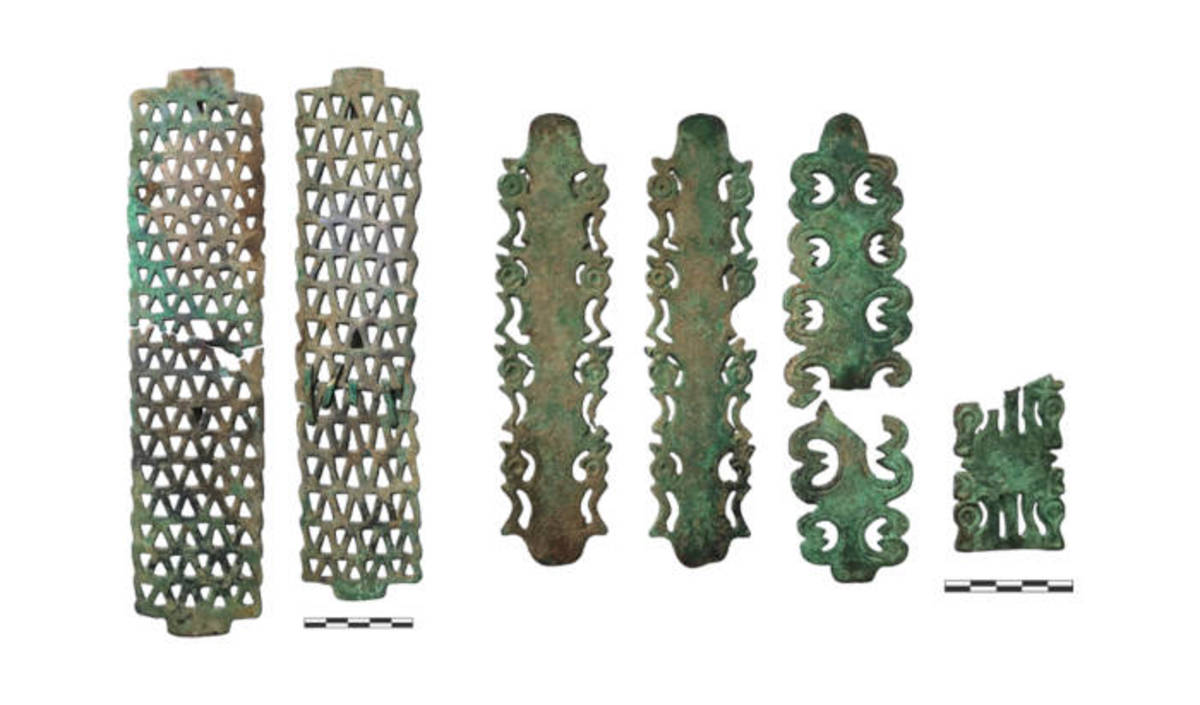
The deposit, found in a shallow, circular pit, included several complete bridle sets with iron bits, horn, and metal cheek-pieces known as “psalia” alongside iron girth buckles, bridle harnesses, and bronze and bone bridle ornaments. The site included 100 major artifacts and 500 smaller, decorative artifacts. One of the most remarkable discoveries was 12 flat, circular plaques decorated with intricate dotted patterns and imagery of swastikas, birds, and mythical beasts.
Artifacts Included Unprecendented Finds
Some of the discoveries, such as a ritual wooden bowl affixed with silver fittings, boar jawbones, and a broken ceramic vessel, indicate that the necropolis was used for specific burial and post-burial rituals. Scientists have dated the rituals to the final third of the 4th century to the early 3rd century B.C., a period when nomadic elites ruled across the Southern Ural region.
Russian Academy of Sciences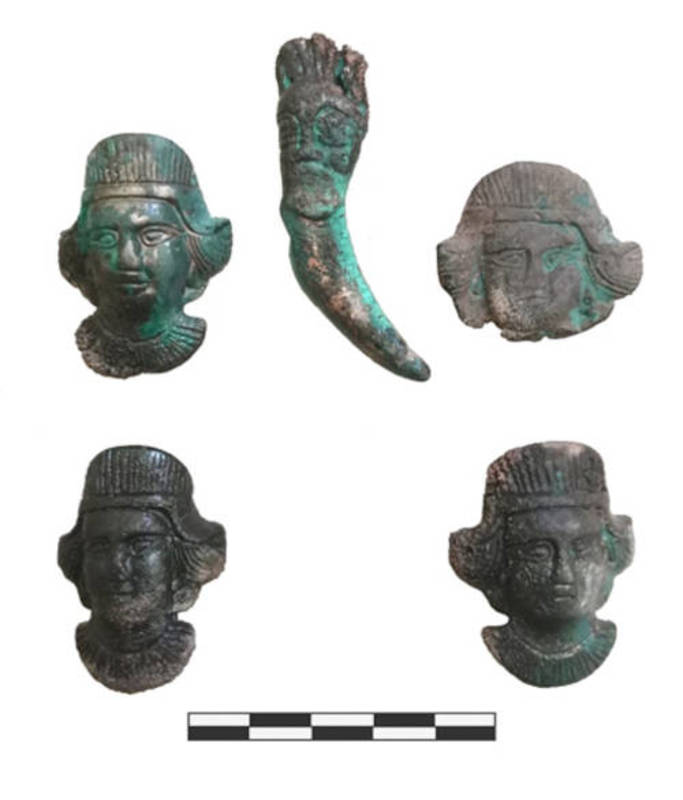
Many of these artifacts—such as the plaques and some of the horse equipment—represent the first such discoveries in the region. Archaeologists confirmed that these items, which were in use by the wealthiest and most high-status individuals in the Southern Ural region, have direct relations to artifacts found in other complexes in the North Caucasus, Don, and Northern Black Sea regions. Experts say the division of artifacts speaks to the vast cultural networks which connected Iron Age nomadic communities across the Eurasian steppe.