Legendary photographer Martin Parr has passed away in his Bristol home. On his foundation’s Instagram account, posted on Sunday, the 7th of December, it said: ‘It is with great sadness that we announce that Martin Parr (1952-2025) died yesterday at home in Bristol’.
The post continues: ‘He is survived by his wife Susie, his daughter Ellen, his sister Vivien and his grandson George’. It was added that during this hard time, the family asked for privacy.
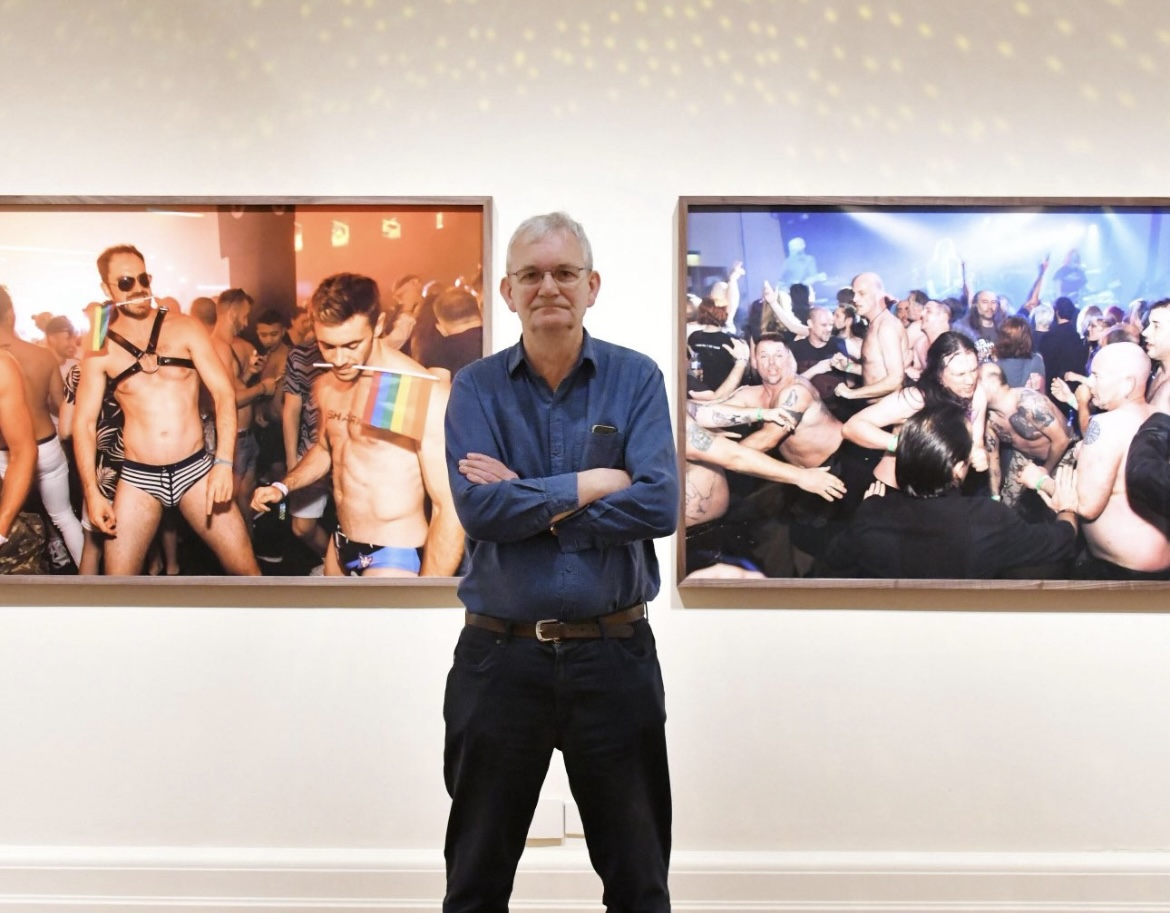
Photo via X
Throughout his collections, Parr managed to capture the sheer simplicity and strangeness of British life, achieving it through high-exposure images. Parr became a renowned photographer in the mid-1980s, with his most famous exhibition, ‘The Last Resort’. This project defined his humorous and individual style, bringing him to widespread attention. This collection captured the mundanities of Brighton and working-class Britons on their holidays.
Despite heavy criticism at times, his photography stands timelessly as a powerful critique of society. Documentary photography at the time was primarily black and white, focused on exactness and darkness both in theme and in colour. Parr made a radical shift when he turned to highly saturated and highly exposed coloured photography, making his style instantly recognisable.
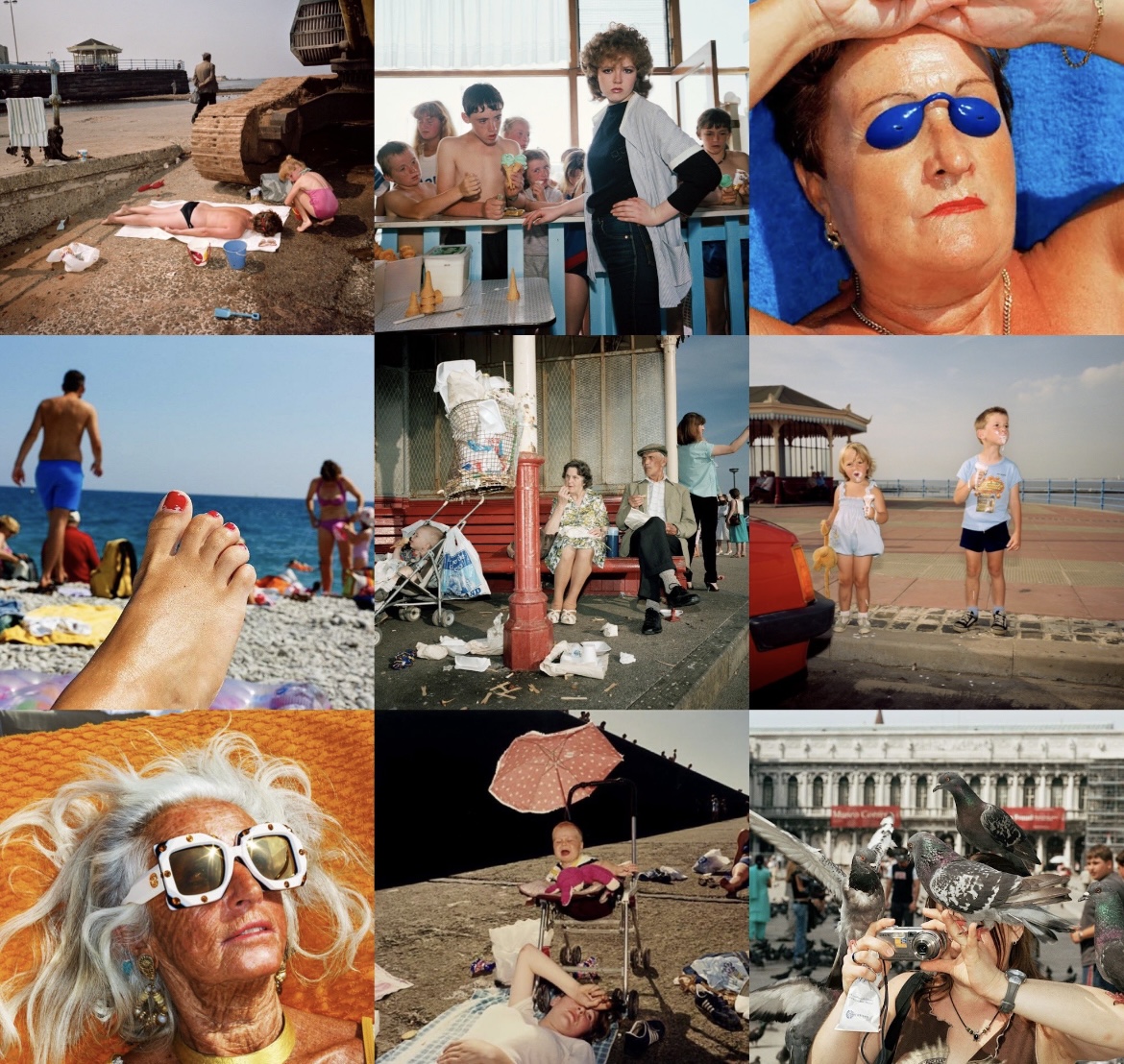
Photo via X
‘Only Human’ stands as one of his most powerful exhibitions, which opened at the National Portrait Gallery in March 2019. This collection foregrounded British identity during the political uproar of Brexit. His satirical style, comprised of portraits of people from around the world, investigated the state of British identity and its ever-evolving relationship with politics.
The Martin Parr collection comprises over 12,000 items and was taken in its entirety by Tate Britain in 2017 to be displayed. Most notably, he established the Martin Parr Foundation in his hometown of Bristol, which holds his personal archive and displays many other artists.
The news comes as quite a shock to many, considering his recent TV appearances and new documentary ‘I am Martin Parr’ on the BBC. In the documentary, Parr spoke about the importance of highlighting aspects of working-class life and its centrality to the British psyche.
Parr told The Guardian in an interview earlier this year that: ‘photographing it all is a form of therapy for me. It’s defined my life.
His legacy is sure to live on across both Bristol and Britain.