John Noble Wilford, the distinguished science journalist for The New York Times who covered the first moon landing in 1969 and later won a Pulitzer Prize, has died. He was 92.
The Times published Wilford’s obituary on Monday and spoke to Wilford’s niece, Susan Tremblay, who told the outlet that Wilford died of prostate cancer. He died at his home in Charlottesville, Virginia.
He Covered Neil Armstrong’s Moon Landing
Wilford’s byline ran in The New York Times the day after Neil Armstrong became the first person to ever set foot on the moon in July 1969 as part of Apollo 11’s mission to beat the Russians to the moon.
Armstrong was the Commander. He was followed by Lunar Module Pilot Edwin “Buzz” Aldrin on the moon some 19 minutes later. The New York Times ran a headline the next day that read, “MEN WALK ON MOON,” followed by the dek, which read, “ASTRONAUTS LAND ON PLAIN: COLLECT ROCKS, PLANT FLAG.”
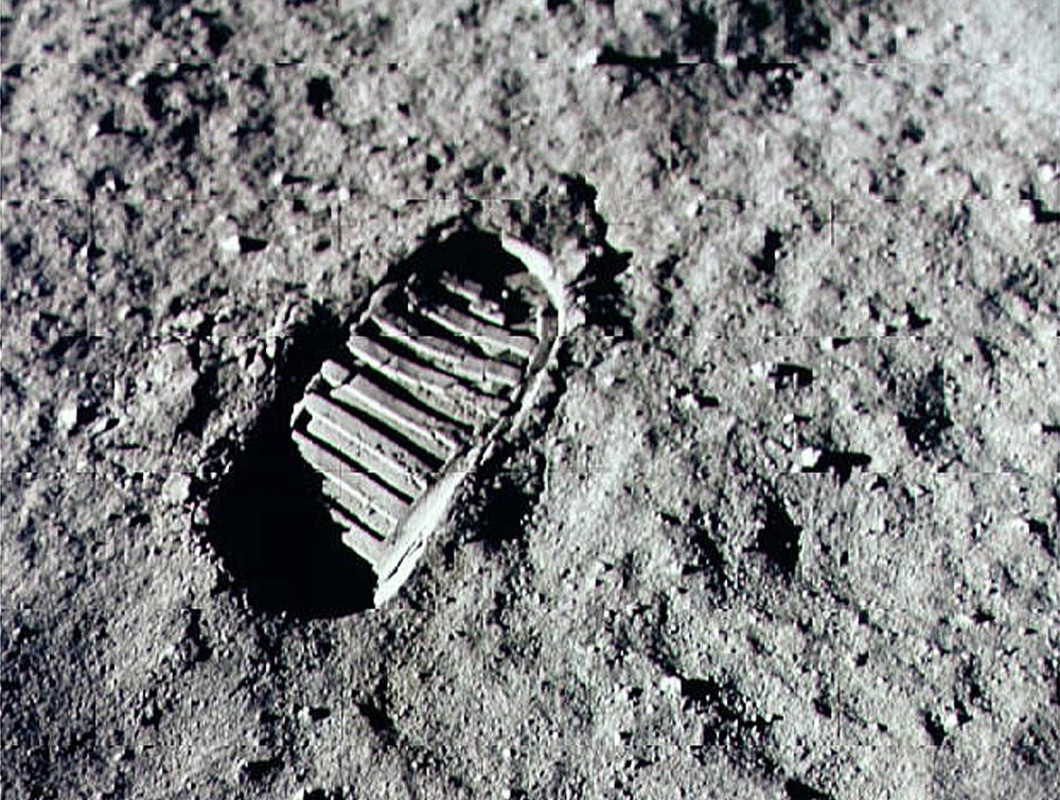
Wrote Wilford: “It was man’s first landing on another world, the realization of centuries of dreams, the fulfillment of a decade of striving, a triumph of modern technology and personal courage, the most dramatic demonstration of what man can do if he applies his mind and resources with single-minded determination.”
He added, “The moon, long the symbol of the impossible and the inaccessible, was now within man’s reach, the first port of call in this new age of spacefaring.”
Wilford dispatched his report from NASA’s mission control center in Houston. According to The Times, Wilford said 50 years later in a Times video interview, “I thought to myself, yes, this is the biggest story I will probably ever write in my career.”
He added, “Unless, of course, I am still around reporting when people discover other life in the universe.”
John Noble Wilford, a Pulitzer Prize-winning science reporter who covered America’s first moon landing, has died at 92. https://t.co/BoN5Ps9lCg
— The New York Times (@nytimes) December 9, 2025
The Times described Wilford as “a Pulitzer-Prize-winning science reporter … who covered America’s first moon landing a half-century ago with the zeal of a fellow space traveler stepping onto the powdery lunar surface alongside Neil Armstrong.”
Wilford Covered the Search for the Loch Ness Monster
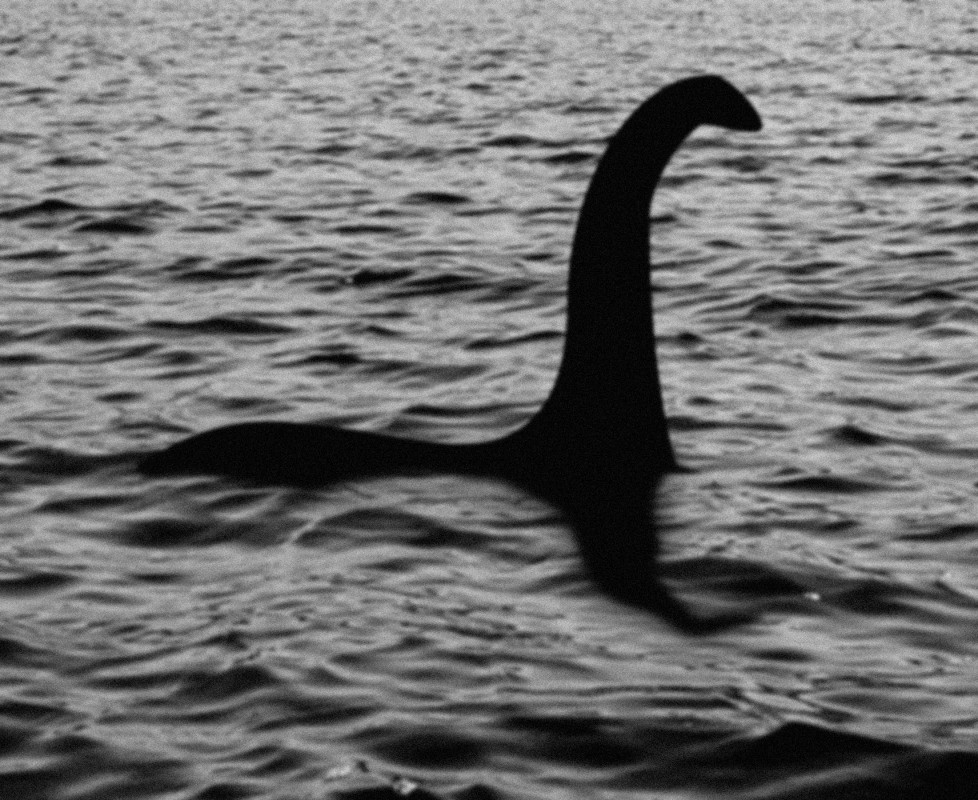
The famed journalist traveled to Scotland in 1976 in search of the Loch Ness monster.
According to The Times, the expedition included using sonar probes and underwater television cameras that scanned the murky depths of the 23-mile-long lake for a month. The results? They didn’t find a thing.
Wilford wrote, “Expedition leaders concede that the search for bones of any creature is a long shot. No one has ever seen or heard of any in the loch. It is only an assumption, unsupported by any facts, that the creatures are vertebrates. And should they be, and if the sonar picks up traces of the bones, their recovery may prove difficult.”
Wilford won the Pulitzer Prize for National Reporting in 1984. The committee praised the reporter’s stories for “conveying both the wonder and the reality of science.” He was also part of a Times team that won the Pulitzer for national reporting in 1987 for coverage of the fatal explosion of the space shuttle Challenger.
Wilford attended the University of Tennessee, where he earned a bachelor’s degree in journalism. He earned his master’s degree in political science at Syracuse University before joining The Wall Street Journal.
He joined The New York Times in 1965. His last front-page byline came in 2016 after 50 years at the newspaper. The story was an obituary for John Glenn, the first American to orbit Earth.