When most guys think of high-protein foods, their minds go straight to the usual suspects. A perfectly seared steak, a tub of cottage cheese, chicken breast with rice and beans, or plant-based staples like lentils and chickpeas. Add a post-lift protein shake or the occasional bar, and hitting your daily target starts to feel pretty easy. In today’s protein-obsessed culture, it seems like we’ve found a way to pack extra grams into almost everything.
Here’s something most people don’t realize. Some fruits actually contain a decent amount of protein. They won’t replace your go-to lean meats, and they won’t get you to the recommended 1.2 to 2 grams of protein per kilogram of body weight if you’re an athlete trying to optimize performance. But they can give your daily intake a helpful bump.
“While fruit isn’t a significant source of protein, it can still help contribute to your daily protein needs, in addition to helping you reach your fiber goal,” says Shelley Balls, MDA, RDN, LDN, of Flawless Bloom. “If you consumed two cups of fruit, and it happened to be some of the higher protein options, you could actually get almost 10 grams of protein from it!”
The fruit below isn’t meant to serve as your main protein source. Think of these picks as simple, nutrient-dense additions that help you slide a little more protein into your day without much effort.
7 Best High-Protein Fruits
Passion Fruit
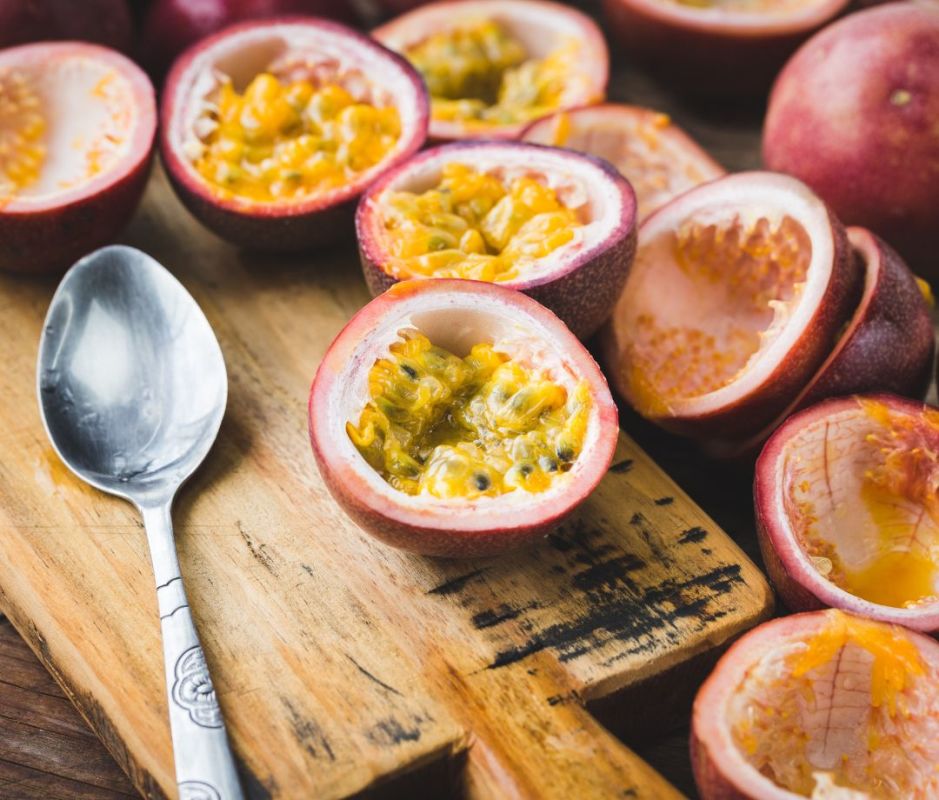
Passion fruit might be harder to find in landlocked states like those in the Midwest, but it’s one of the highest-protein fruits around. “Passion fruit provides a little over 5 grams of protein per cup, which is almost as much as a chicken egg,” Balls says. Low in calories and fat, it’s loaded with fiber, vitamin C, and vitamin A. Can’t find it fresh? Check the frozen fruit aisle (it blends perfectly into smoothies).
Avocado
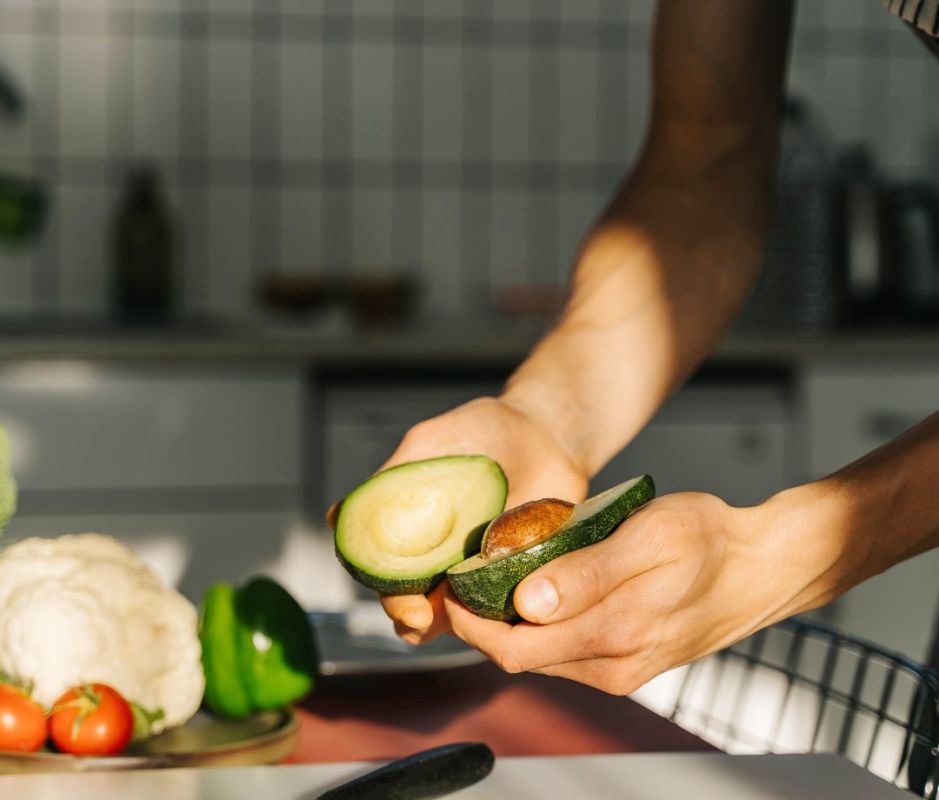
The debate over whether avocados are a fruit or a vegetable may never be settled, but one thing is clear: they’re one of the fruits with the highest protein content. At 3 grams per serving, it’s not huge, but it’s more than most fruits offer. On top of that, avocados are packed with healthy fats and loaded with vitamins like C, E, K, and several B vitamins, including folate (B9), niacin (B3), and B6. They also deliver a solid dose of fiber, making them a serious all-around nutrient booster.
Jackfruit

Like avocados, a cup of jackfruit packs about 3 grams of protein. While that’s not quite as much as a serving of cottage cheese or Greek yogurt, it’s a solid little boost for anyone looking to up their intake. It’s “also rich in vitamin C, which may help promote collagen production, decrease muscle damage and inflammation tied to exercise, and speed up muscle recovery.”
Related: Eating This Type of Fruit Every Day May Lower the Risk of Depression up to 20%
Guava

Guava packs about 4 grams of protein per cup, making it a top contender in the “highest-protein fruits” category. Not only is it delicious and perfect atop a yogurt parfait, but it’s also “rich in vitamin C, which aids in tissue repair and boosts collagen production,” says Rachael Ajmera, MS, RD. “Collagen is a type of protein in your body that supports connective tissue and helps repair muscle tissue. Guava is also a good source of antioxidants with anti-inflammatory effects, like lycopene and quercetin.”
Kiwi
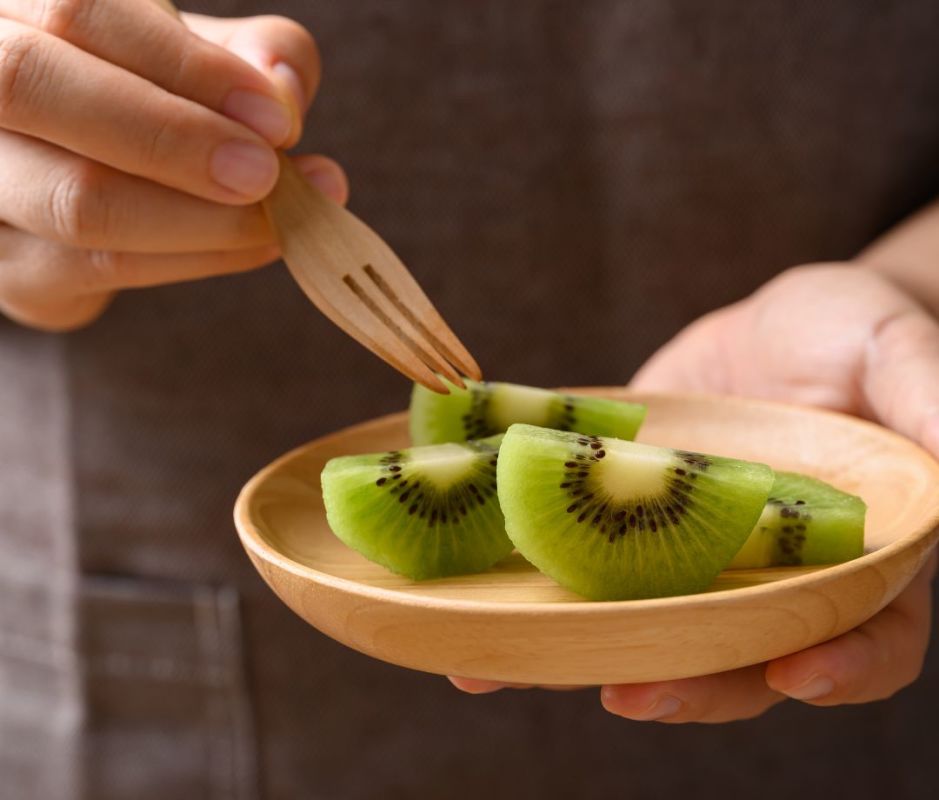
Kiwi is on the smaller side when it comes to protein, but a serving still adds about 2 grams. Sure, it won’t singlehandedly build your biceps, but that doesn’t mean it’s meaningless. “Citrus and kiwi contribute vitamin C, an important nutrient for connective tissue,” says Alexander Leritz, a personal trainer and sports dietitian at JM Nutrition. “So, while fruit isn’t a major protein source, it absolutely supports the recovery side of training.”
Berries
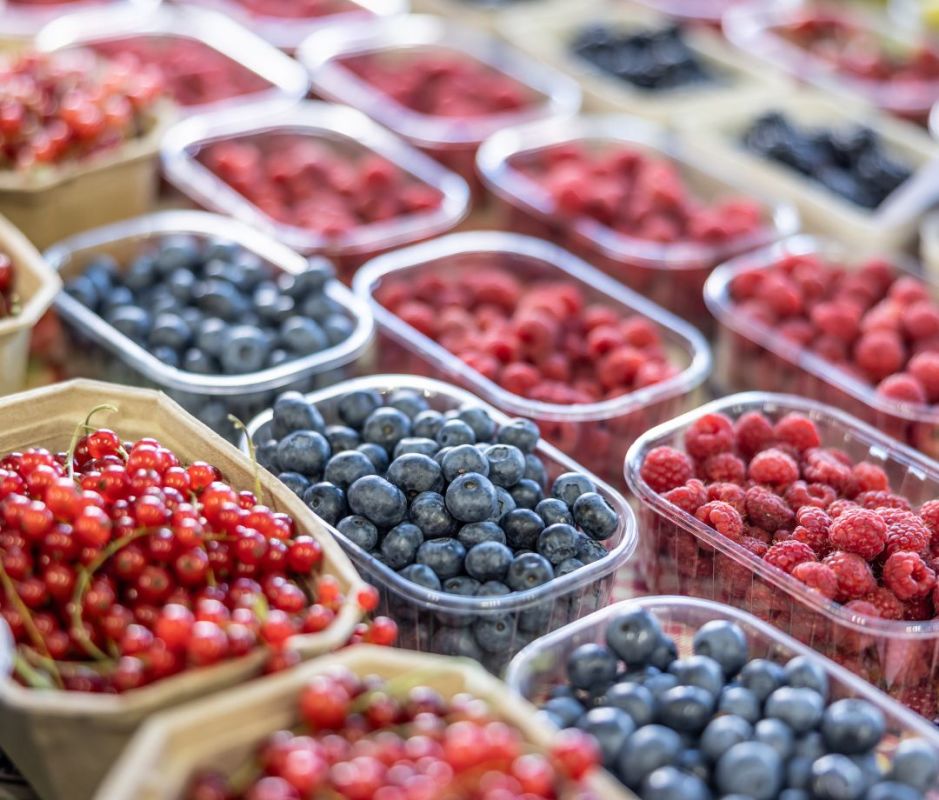
“Other fruits, like blackberries and raspberries, are a little lower, but still clock in at around 2 grams and 1.5 grams of protein per serving, respectively,” says Ajmera. Eating berries won’t singlehandedly hit your daily protein goal, but they can give you a helpful boost. Plus, like other fruits, they’re packed with fiber, vitamins, minerals, antioxidants, and phytochemicals, making them a nutrient-rich addition to any diet.
Cherries
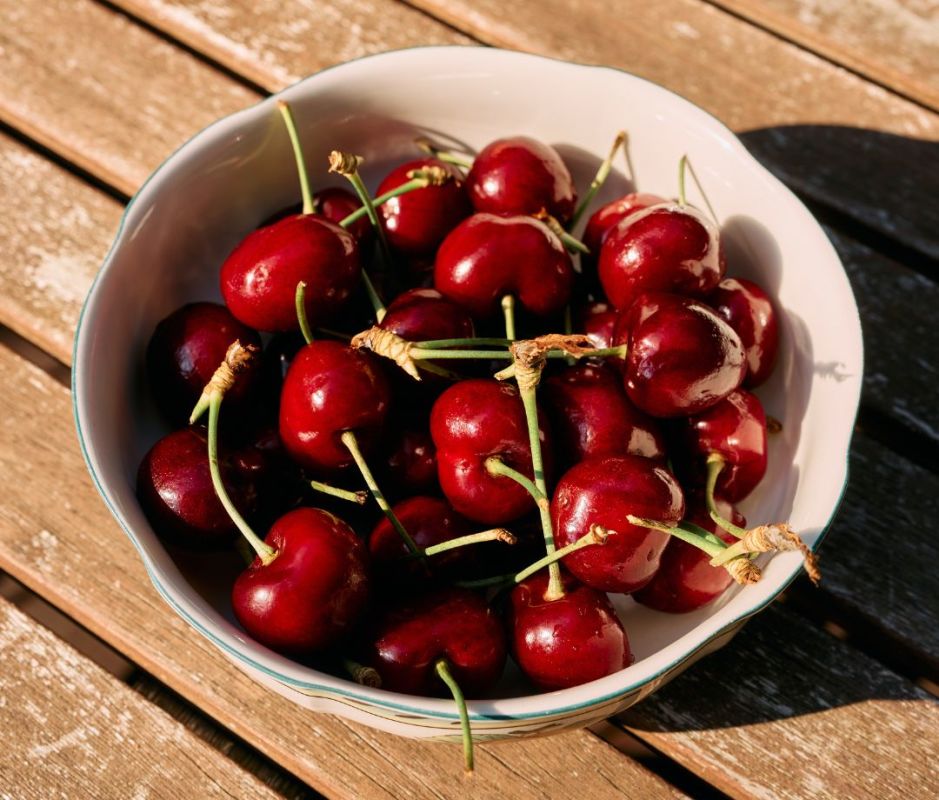
While the protein in cherries won’t match a steak, pitted cherries still provide about 2 grams per cup. But like many of the other fruits on this list, their value isn’t just in the protein. “Tart cherries and berries are particularly well studied for reducing soreness and oxidative stress,” says LeRitz.
Related: Science Just Debunked a Major Myth About Protein and Muscle Gains
Is Fruit High in Protein?
“Even if you’re loading up on fruit during the day, you’ll probably only get about 5 to 15 grams of protein total,” Ajmera says. “In most cases, that won’t be enough to make much of a dent in your daily protein needs, especially if you’re aiming higher to build or maintain muscle.”
But that doesn’t mean you should skip fruit altogether. Just a few servings a day can help bump up your protein intake and fill in the gaps, while also delivering valuable nutrients like fiber, vitamins, and minerals.
When Are High-Protein Fruits Most Beneficial for Workouts?
“Fruits fit naturally around workouts, mainly because of how easily they digest and how quickly they provide energy,” LeRitz says. “Before a workout, a banana or a handful of berries can settle well and offer a light boost. After training, fruit helps replenish glycogen, especially when paired with a proper protein source.”