A silent truck that climbs rocks, powers your campsite, charges your buddy’s EV, and only drips water out the tailpipe sounds like pure fantasy. Hydrogen fuel-cell rigs promise exactly that: electric torque, fast refueling, and zero local emissions in one package. The Hyundai Nexo fuel-cell SUV already offers EV-like smoothness, roughly 400+ miles of range, and fills its tanks in a few minutes at the right station, according to official Hyundai Nexo fuel-cell SUV specs.
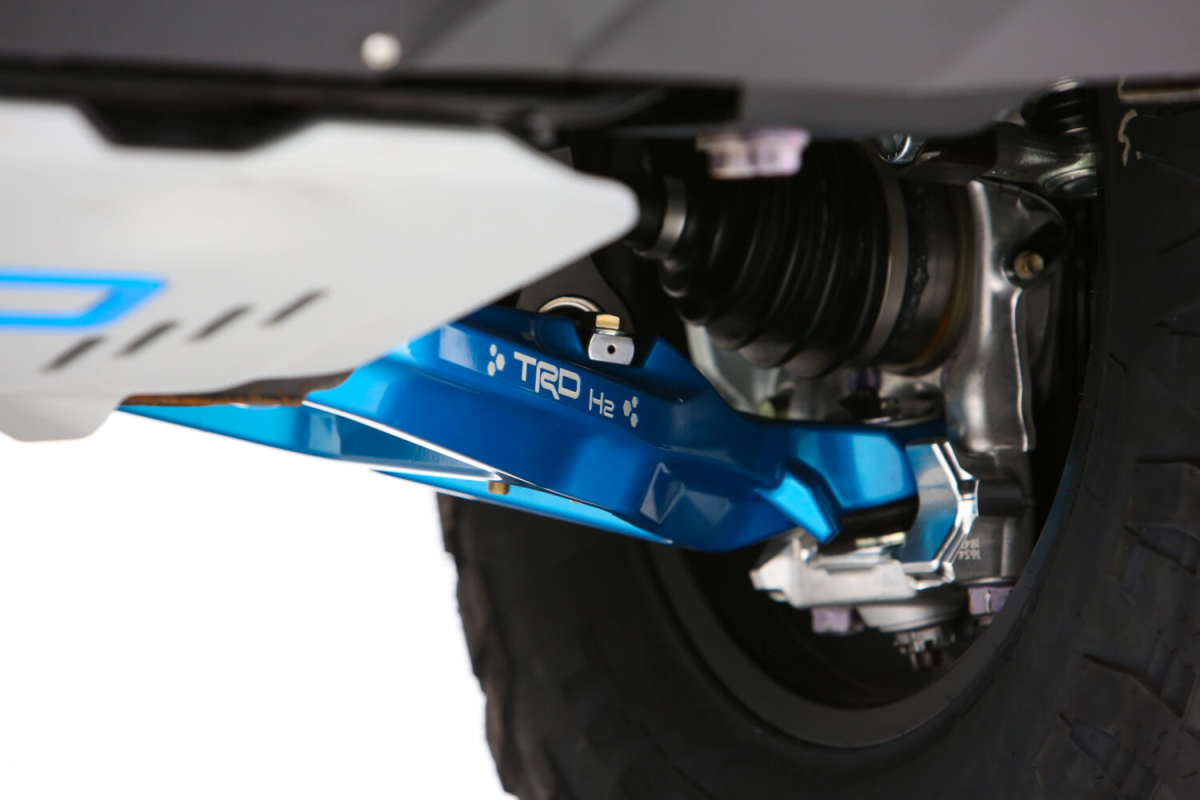
Toyota just turned that idea into an overlanding fever dream. Its Tacoma H2-Overlander concept takes the Mirai’s fuel-cell stack, adds three hydrogen tanks, a big battery, serious suspension, and a 15 kW power outlet that can run a campsite or top up other EVs. It can even filter its exhaust water for showers. On paper, that’s the ultimate adventure truck: long range, instant torque, a rooftop tent, and no plugging in.
So why aren’t we all buying one? Because the map and the money don’t work yet. At the end of 2024, there were only about 1,100–1,200 hydrogen refueling stations worldwide, heavily clustered in a few regions. Most of the U.S. has exactly zero practical places to fill a hydrogen tank. That’s a terrible feeling if you’re hundreds of miles from the nearest pump with bikes on the back and kids in the back seat.
Big carmakers are reading that reality. Stellantis, the group behind brands like Jeep and Ram, has publicly pulled the plug on its hydrogen light-van program, citing high costs, thin infrastructure, and weak incentives—exactly the pain points private buyers would face. Stellantis’ decision to scrap its hydrogen vans shows that even deep-pocketed companies don’t see a real market for hydrogen 4x4s this decade.
My Verdict
Hydrogen adventure trucks are incredible proof-of-concept toys and great for fleets that run fixed routes between known pumps. For regular drivers who want to disappear into the mountains for a weekend, they’re still more Instagram than ownership plan. Today, your safest bet is a gas or diesel 4×4, a plug-in hybrid with real-world electric range, or a battery EV backed by strong charging on the routes you actually use. Keep an eye on hydrogen if you love the idea of silent trails and five-minute refuels—but don’t plan your next big trip around a fuel that still exists mostly in demos, not at the pumps.