Just like you prep your home for winter by insulating your windows and winterizing your garage, you should also make sure your car is ready for the change in weather. Equipping your car with winter tires before the snowy season hits is essential for safety and enhanced control on slippery streets. However, you cannot use snow tires indefinitely, so it’s important to find out more about their limitations, such as how many seasons winter tires last, how long snow tires can be used, and how temperature affects winter tires.
Knowing both when to swap winter tires for summer tires and how many miles winter tires last will help you better understand the best practices for extending winter tire life. Keep reading to discover the factors affecting winter tire lifespan and the expected winter tire age limit so you know when to replace your winter tires to keep your vehicle safe for driving in snowy and icy conditions.
What Is a Winter Tire and How Does It Differ From an All-Season Tire?
The main reason to switch from an all-season tire to a winter tire when the temperatures plummet is due to the specialized design of a winter tire. “Winter tires use rubber compounds engineered to stay flexible in cold temperatures, plus deeper tread and sipes to help bite into snow and ice for improved traction,” explains Jenny Walker, director and product planning consumer at The Goodyear Tire & Rubber Company.
All-season tires, as the name implies, are intended for use in all seasons, but are best for more mild winter weather, since extreme cold can cause all-season tires to stiffen, reducing the grip of the tires. These tires also have less aggressive treads, which means that they are less effective in severe winter weather.
Rubber Compounds, Tread Design, and Cold-Weather Performance
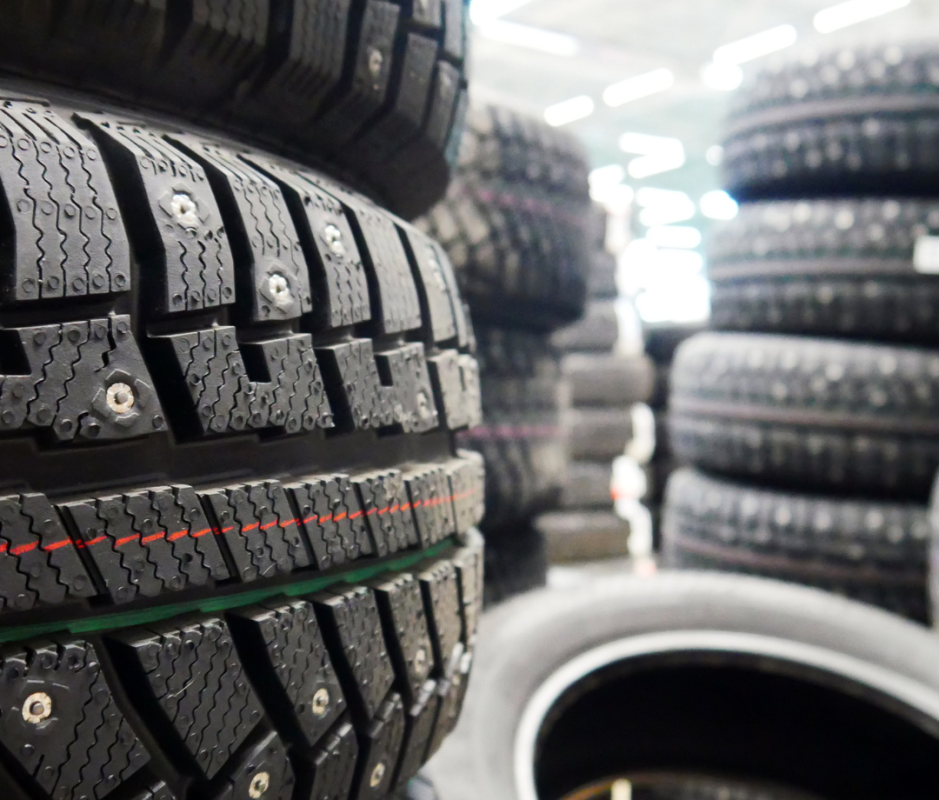
The physical differences between a winter tire and an all-season tire are primarily due to the rubber compound and the tread design, which improves cold-weather performance for winter tires. The rubber compound for a winter tire is formulated to stay pliable in cold temperatures, with many winter tires containing silica to improve flexibility and grip, or microscopic pores to absorb water from ice to create a suction effect for better contact.
The tread design of winter tires typically features wide and deep grooves to help evacuate water and slush from the contact patch and reduce the risk of hydroplaning. The tires have thousands of small slits or sipes to create extra biting edges and interlock under load to improve stability while cornering. Since winter tires are designed for use below 45 degrees Fahrenheit, they offer better grip on cold, dry, wet, and icy roads, reducing stopping distance on ice by up to 50 percent when compared to all-season tires.
Related: What’s the Best EV Charger and Where Should I Install It?
Typical Lifespan of Winter Tires
When it comes to dedicated snow tire life expectancy, most manufacturers state that the typical winter tire lifespan ranges from about 20,000 to 40,000 miles or four to six seasons, with the exact lifespan dependent on a variety of factors, including aggressive driving, proper maintenance, road conditions, and knowing when to replace winter tires with all-season tires so as to avoid driving on warm, dry roads, which can lead to quicker degradation.
“Any tire in service, meaning inflated and mounted on a rim of your vehicle, including your spare tire, regardless of whether that tire is in contact with the roadway, for over six years should be replaced, even if it appears serviceable and hasn’t reached the legal treadwear limit,” says Walker.
Key Factors That Affect How Long Winter Tires Last
Driving Distance and Usage Frequency
The number of miles that you drive with your winter tires is a direct factor that can impact the total lifespan of the tires. The more miles you drive, the more wear the tires receive, which in turn will force you to replace the winter tires soon. Similarly, if you are frequently using your winter tires, especially for long road trips, then this will both increase the mileage and increase the potential wear on the tires.
Though, even if you use the tires relatively infrequently, tires will naturally degrade over time. Since there will be a winter tire performance drop-off when the rubber degrades, most manufacturers recommend replacing your tires after six seasons, while also noting that if you have not replaced them by the tenth season, there is a high risk of the rubber becoming brittle, cracking, or rupturing, putting you and anyone else in the vehicle at risk.
Road and Weather Conditions
The road and weather conditions will naturally play a significant role in determining the lifespan of your winter tires. Roads that are rough or that have many potholes will tend to increase the wear on the tires at a faster rate than nicely paved surfaces. Similarly, chemicals and contaminants, like oils, gas, or salt can cause premature wear and tear on the tires, so if you are driving through areas with these road conditions, it’s recommended to rinse off the tires once you reach your destination.
Proper Storage During Off-Season
Keeping your tires in good condition during the off-season is essential for extending their lifespan. One of the most important winter tire care tips is to always store your winter tires in a cool, dry, and dark space during the warmer months of the year. Keep the tires out of the sunlight and store them upright, rotating them once every month, to prevent the rubber from degrading prematurely.
Getty Images
Maintenance
Walker mentions that “temperature and seasonal use are key. Winter tires will wear faster on warm, dry pavement due to their softer compounds. Proper tire inflation pressure, proper storage when out of season, and vehicle alignment or mechanical issues that cause uneven wear also affect longevity.”
To ensure your tires last as long as possible, always make sure that they are properly inflated to prevent uneven wear. You should also take your tires in about once every 5,000 miles to have them rotated and the check the alignment, as misaligned wheels can cause uneven and premature tire wear.
Signs You Need to Replace Your Winter Tires
Tread Depth Criteria
The tire tread is an important sign to pay attention to when you are trying to decide if your tires should be replaced or used for another season. Typically, they should be replaced when the tread reaches the minimum depth of 5/32 of an inch or 4 mm.
Walker suggests that you should regularly “measure your tire tread depth and check for uneven or abnormal wear patterns that may indicate a vehicle alignment or mechanical issue that needs attention.” Look for small, raised bars in the grooves between the treads. If the tread is worn down to the level of these bars, it’s time to replace them.
Age and Rubber Degradation
The age of a tire has a significant impact on the level of rubber degradation. If you neglect these factors, then you may find that your winter tires begin to show signs of cracking or a hardening of the rubber compound. For these reasons, it’s recommended to replace winter tires after six seasons of use to reduce the risk of a blowout.
Similarly, a gray or hazy appearance can be a sign that the rubber is drying out and becoming less flexible. “Bulges or blisters on the tire’s sidewall can lead to tire disablement and should be inspected by a tire professional. Additionally, it is recommended that a tire that has run flat or is severely underinflated be inspected by a tire professional before being put back into service,” says Walker.
Related: 9 Best Winter Garage Maintenance Tips for Homeowners
Performance Decline
When a winter tire ages or experiences significant wear, you will start to notice a decline in the performance of the tire. The tires may feel like they are slipping or that the car is having difficulty gripping on snow and ice, indicating that your winter tires have lost some of their effectiveness.
Even if the tread looks deep enough, the rubber compound may harden over time, reducing the grip. This can also result in your car taking longer to come to a stop on wet or slippery roads, as well as experiencing more skidding, sliding, or general loss of control when driving in winter conditions.
The “Do Not Use Year-Round” Rule
The softer, more pliable design of a winter tire is intended to hold up in freezing conditions and on wet, icy roads. These tires should be swapped with all-season tires once the temperatures consistently rise above 45 degrees Fahrenheit, and should never be used in the summer months, when the hot, dry roads will cause premature wear, drastically shortening the life of the tires.
Walker notes that “winter tires will wear more quickly due to the soft tread rubber, so it’s recommended to swap out for an all-season or summer tire during the summer months.” Even if premature wear isn’t an immediate concern for you, using winter tires in warmer temperatures leads to reduced fuel efficiency, compromised handling, and poor braking performance.
Maximizing Your Winter Tires’ Lifespan — Care & Best Practices
Off-Season Storage Tips
Keeping your winter tires in good condition after removing them from the car will help extend their lifespan. Follow these simple tips for off-season winter tire care:
- Clean the tires before storing with a soap and water solution to remove salt, oil, gasoline, road grime, and other contaminants, then ensure that the tires are completely dry before storing.
- Stand the tires upright to reduce stress and prevent deformation. If you must stack them, only stack the tires if they are still on their rims, as stacking unmounted tires can cause them to deform over time.
- Do not hang unmounted tires because the hooks can cause them to sag and distort.
- Store tires in a cool, dry place away from direct sunlight, electric motors, furnaces, or sump pumps.
- Place tires in individual plastic bags to help protect them during off-season storage and keep your storage area clean.
- Mark and rotate the tires. Note where the tires were on the car to ensure they are rotated correctly next season, and rotate them once a month if they are standing to help prevent deformities.
- Keep the tires away from harmful chemicals, like petroleum-based products, solvents, and other chemicals that can degrade the rubber.
Related: The Ultimate Home Maintenance Checklist: Essential Tasks You Should Do Each Season
Switching Out At the Right Time
Removing your winter tires is a necessary step in maintaining them, but you don’t want to remove the tires too soon or too late, so it’s important to pay attention to the current weather trends in your area. Avoid changing them back after just a few warm days, as winter weather can be unpredictable and an early cold snap can leave you unprepared. “Use winter tires during consistently cold conditions (around and below 45°F) and switch back to all-season or summer tires once overnight temperatures stay above 45°F to avoid accelerated wear,” notes Walker.
Monitoring Tire Condition Each Season
Make sure to check the condition of your winter tires before and after each winter season. Perform a visual inspection for any signs of damages and keep the tires inflated at the correct pressure to help them last longer. You should also regularly check the treads and replace your tires when the tread reaches the minimum depth, which is 5/32 of an inch. Walker says that you should “make sure to have a tire professional check for alignment or pressure issues that can cause premature wear.”
Using Winter Tires Only in Cold/Accumulated Snow Seasons
It is essential that you only use winter tires when the weather outside is snowy and icy or the temperatures remain consistently below 45 degrees Fahrenheit. “In warmer conditions, winter tires’ softer compounds can wear more quickly, so timing changeovers to local temperature patterns (often guided by the ~45°F rule of thumb) helps optimize performance and longevity,” explains Walker.
If you want your tires to last for the full six seasons, then you should never use them on warm, dry pavement. Not only will using them in warm weather cause premature wear, it also reduces the fuel efficiency of the vehicle and gives the driver less control, due to compromised handling and poor braking performance.
Getting Tires Rotated
Ideally, you should have your tires rotated regularly to ensure that the winter tires wear down evenly. Most manufacturers recommend having winter tires rotated about once every 5,000 miles to ensure even wear, though, if you don’t have the time or the money for this process, then you should at least make sure to rotate the tires at the beginning of every winter season when you switch from all-season tires to snow tires.
Related: How Often Should You Change Your HVAC Filter and Which One Is Best for Your Home?
In What Regions Should You Use Snow Tires?
Considerations for Cold Snowy Climates vs Mild Winters
The area where you typically drive your vehicle and the winter conditions experienced in these areas have a significant impact on when and if you need to use winter tires. Generally, drivers will use winter tires consistently when the temperature remains below 45 degrees Fahrenheit. Walker mentions that “drivers in regions with colder temperatures and frequent snow or ice will benefit most from winter tires, while milder climates are better suited to all-weather options.”
Considerations for Mountainous Regions Like Denver, Colorado
When you live in a place like Denver, Colorado that experiences a regular freeze-thaw cycle, high-altitude conditions, and road contaminants, like salt, you need to take these factors into consideration to properly maintain your winter tires. Since winter tires are softer and have a more aggressive tread, they will wear down faster on dry pavement, which is common even in winter in Denver.
Road salt, which is used to melt ice, can damage tires over time, causing cracks, bulges, or rust on the rims. You can mitigate the damages and extend their life by regularly cleaning the tires to remove salt and properly storing them during warmer months of the year.
FAQs—Everything You Need to Know About Winter Tires
Can I Drive Many Miles in One Winter Set?
You can certainly drive many miles using just one set of winter tires, though the lifespan of the tires depends on the road conditions, maintenance, and the type of driving that is done with them, with more aggressive driving typically causing the tires to wear out faster. On average, you can expect to use one set of winter tires for 20,000 to 40,000 miles.
What If the Tread Looks Fine But the Tires Are Old?
The tread is just one indicator of the current condition of the tires. Typically, you should start thinking about replacing your tires after six seasons of use, and if you haven’t replaced them after 10 seasons, then it is essential to replace the tires immediately even if the treads look fine because the rubber will degrade over time and may cause a blowout while you are driving.
Related: How to Clean Your Gutters With a Leaf Blower
Can I Use Winter Tires in Summer? What Happens?
Winter tires should never be used in the summer because they wear out significantly faster on the hot, dry roads. Using winter tires in the summer leads to reduced performance, control, and braking performance, as well as less responsive handling and decreased fuel efficiency.
How Many Seasons Are “Too Many” Seasons for Winter Tires?
Ideally, you should be replacing winter tires after about four to six seasons on average, though the lifespan may be shorter or longer depending on driving habits, road conditions, and how often they are used in warm weather. At the absolute maximum limit, winter tires must be replaced once they reach 10 years of age.
Are There Differences for SUVs/Trucks Vs Cars in Winter Tire Lifespan?
There are some differences between SUVs/trucks vs cars when it comes to winter tire lifespan. Winter tires on cars are generally able to last for four to six seasons with regular use on passenger vehicles, while the heavier duty construction of SUV and truck winter tires can give them a slightly longer lifespan.
However, SUVs and trucks are often driven in rougher conditions, which can shorten the lifespan of the tires, so ultimately it comes down to the specific tire’s construction, the vehicle’s weight, the driving conditions, and the way in which the winter tires are used, maintained, and stored.