EV range news is chaos right now. One week, a Chevy Silverado EV work truck quietly sets an unofficial record by going more than a thousand miles on a single charge. A few days later, independent tests show popular crossovers missing their advertised range by up to 20-plus percent.
Take the official record-style runs first. In August, Car and Driver reported that a 2026 Silverado EV Max Range Work Truck covered 1,059.2 miles on a single charge in a GM engineer hypermiling test—more than double its 493-mile EPA rating. You can read their breakdown of the Silverado EV range record to see the fine print: slow speeds, ideal temperatures, max tire pressures, weight stripped out, no climate control. Impressive, but not your life.
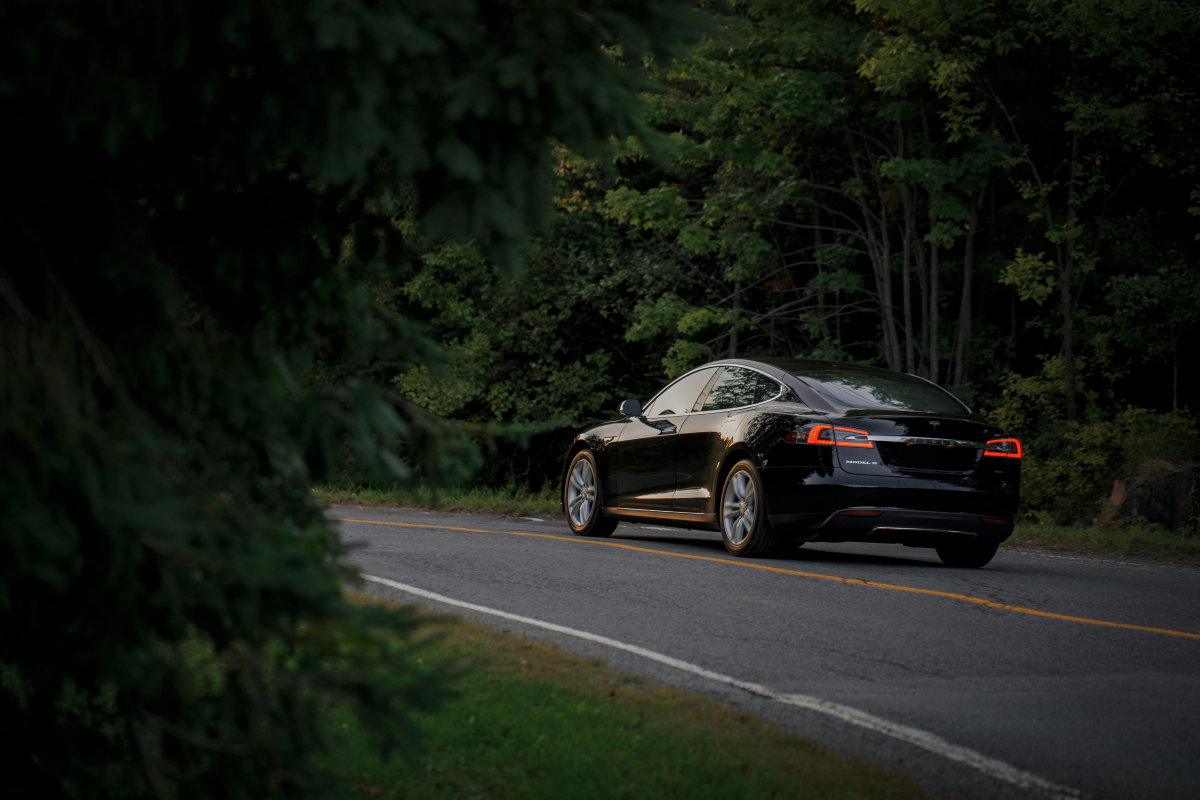
Now zoom in on normal use. Edmunds runs its own real-world loop—about 60% city and 40% highway—at typical traffic speeds, then compares results with EPA ratings. Their running leaderboard in Edmunds’ EV range and consumption test shows some cars beating the sticker, others falling well short, even within the same brand. It’s a clean way to see who actually delivers in mixed driving.
Then there’s the Australian Automobile Association’s Real-World Testing Program, which takes EVs on a fixed 93 km circuit of urban, rural, and highway roads. Their latest update found several mainstream EVs—Tesla Model 3 and Y, Kia EV6, BYD Atto 3—delivering 5% to 23% less range than advertised. That gap is laid out clearly in their summary of new test results to help EV buyers. Again: not bad cars, just a reminder that conditions and driving style matter more than one big number on a window sticker.
So what’s the number that actually matters for you? Not just headline “EPA miles,” but how far independent testers got in conditions that look like your life—and how many kWh the car used per 100 miles or 100 km. That’s what tells you whether a 280-mile rated SUV will feel like a 220-mile truck in winter or like a 300-mile one in mild weather with smooth driving.
My Verdict
Spec-sheet range is a brag: don’t listen. Real-world efficiency and third-party miles are what keep you out of 0% panic at the far end of a road trip. Use independent tests as your truth, build in a winter buffer, and let the 1,000-mile stunts stay on YouTube. You’ll buy smarter, and you’ll stop staring at the battery gauge every time the temperature drops.