Autonomous driving features sound perfect for a long winter haul: the car keeps its lane, tracks traffic, and taps the brakes before you even tense up. Modern systems like lane-keeping assist, adaptive cruise, and automatic emergency braking take some load off your brain on clean pavement. The catch is simple: these autonomous driving features lose sharpness the moment weather, visibility, or the road surface goes sideways.
NHTSA makes one thing very clear on its driver assistance technology page: these systems are designed to assist an attentive driver, not replace one. They watch lanes, closing speeds, and blind spots, but they still rely on cameras and sensors that need a clear view. Snow-packed lane lines, muddy spray, or glare throw sand in the gears of those algorithms. You stay fresher on a long interstate slog, but you still steer the day.
Photo by Clay LeConey on Unsplash 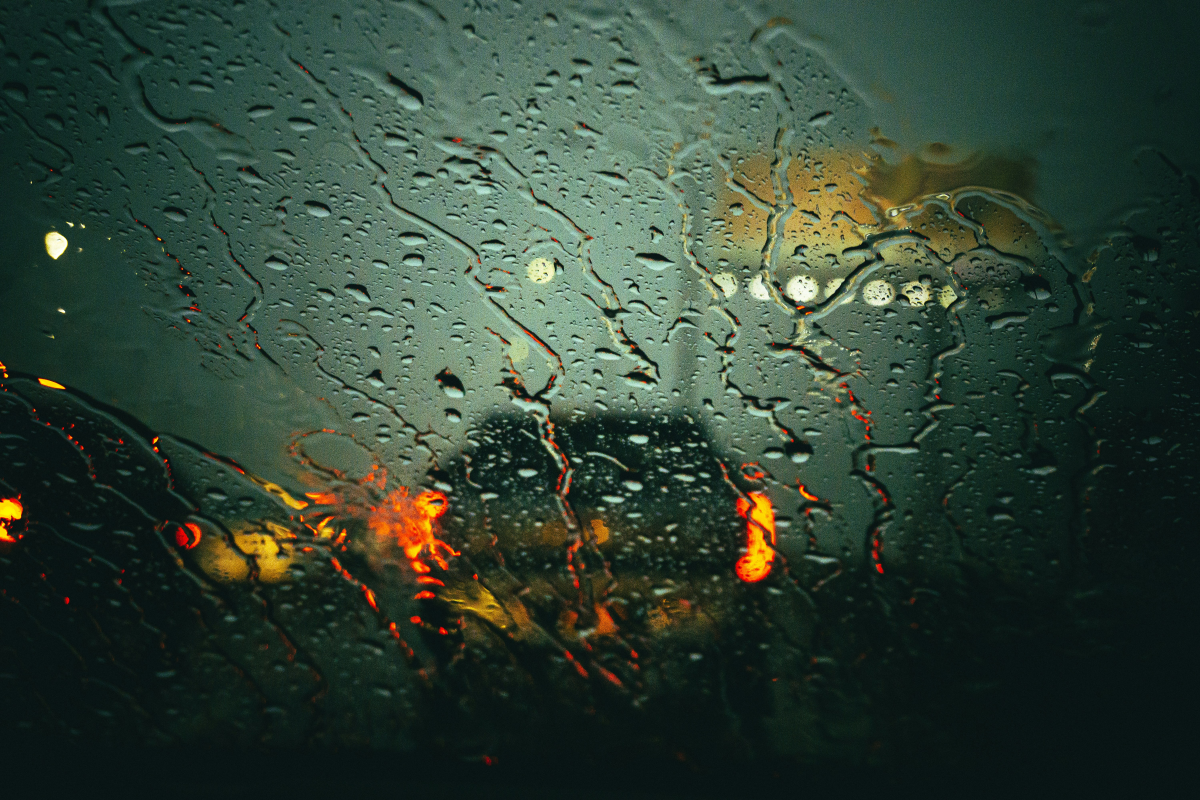
AAA ran a closed-course test that shows how ugly it gets in the rain. In simulated moderate to heavy rain, cars with automatic emergency braking that stopped cleanly in the dry ran into a stopped target up to a third of the time, and lane-keeping systems drifted out of their lanes in a majority of runs. Reuters’ summary of the work notes that none of the cars crashed in ideal weather, but once the “rain” turned on, crash rates jumped even at suburban speeds.
So here is the way to play it on real roads. On a well-marked highway with light traffic, use adaptive cruise and lane centering to take the buzz out of a long stint, but keep your hands and attention locked in. As soon as snow starts to hide the lines, slush coats the sensors, or the road narrows to a two-lane with patchy markings, dial those systems back or switch them off. High crown, ruts, and surprise potholes demand your inputs, not a camera that sees only part of the story. NHTSA’s winter driving advice still starts with the basics: slower speed, more space, and more time.
On dirt and forest roads, treat these systems as almost blind. Dust, mud, brush shadows, and missing lane markings give them nothing solid to lock onto. For trail access roads, a simple cruise-control set a notch below your comfort speed does more for you than fancy lane assist. You choose a gear, you watch for washboard and rocks, and you keep both hands guiding the car around ruts and dips.
How to Use Autonomous Features Without Letting Them Use You
The rule that keeps you out of trouble is this: use automation to reduce fatigue, not to reduce attention. Learn what your car has, read the manual, and test each feature in good conditions before winter starts. Clean the cameras and sensors before every long run, and expect performance to drop as soon as the weather does. Treat beeps and warnings as helpers, not as guarantees that the car will save the day.
My Verdict
If you treat autonomous driving features as a co-driver, you get home calmer and safer. If you let them turn you into cargo, you stack the odds against yourself. Use them on clean pavement to trim fatigue, then take full control when rain, snow, or rough roads appear. You stay in charge, the car stays a tool, and the trail or highway stops feeling like a gamble.